
Best Types of Dog Toys for Health
What Kind of Toys Are Best for Dogs?
Best Dog Toys by Type: Safe, Fun & Vet-Approved Picks
Discover the best dog toys for chewing, playing, and comfort. Expert tips on choosing safe, durable, and engaging toys for all breeds.
- Introduction
- Benefits of Dog Toys for Physical & Mental Health
- Top 10 Best Dog Toys (By Type) – Our Picks with Reviews
- Categories of Dog Toys (Chew, Interactive, Puzzle, Fetch, Comfort & Tough Toys)
- How to Choose the Right Toy for Your Dog (Age, Size, Breed & Play Style)
- Dog Toy Safety Tips: Materials, Size & Supervision
Introduction
Choosing the best dog toys for your furry friend can feel overwhelming. With so many options – chew toys, squeakers, balls, plushies – how do you know which are safe, effective, and fun for your dog? Dog owners often worry about safety (will the toy splinter or cause choking?), durability (will it be destroyed in 5 minutes?), and enjoyment (will my dog even play with it?). The good news is that the right toys can keep your dog happy, healthy, and mentally stimulated. In this comprehensive guide, we’ll explore the benefits of dog toys, different types of toys (chew, interactive, puzzle, fetch, comfort, and tough toys), how to choose the right toy for your dog’s needs, essential safety tips, and our top Amazon-recommended dog toys. Let’s dive in so you can find safe toys your pup will love – and avoid wasting money on duds!

In a hurry? If you only get one toy, the KONG Classic Check Price on Amazon (our top pick) is a vet-approved, durable rubber toy that’s great for chewing, fetching, and stuffing with treats. But for the full scoop on all kinds of toys, read on. (Also see our guide on crate training for tips on using toys to make crate time positive.)
Benefits of Dog Toys for Physical & Mental Health
Dog toys aren’t just for fun – they play an important role in your dog’s physical health, mental well-being, and overall behavior. Here are some key benefits:
- Physical Exercise: Toys encourage dogs to run, jump, chase, and play. A game of fetch with a ball or tug-of-war with a rope can help your pup burn off excess energy, maintain a healthy weight, and build strong muscles. Active play also improves cardiovascular health and coordination. Certain chew toys even promote dental health – textured toys can rub off mild plaque and massage gums while the dog chews (though they’re not a substitute for brushing or dental care).
- Mental Stimulation: Dogs are intelligent and curious. Puzzle toys, treat-dispensing toys, and interactive games challenge your dog’s brain and prevent boredomcoastalpet.com. Mental exercise is crucial for keeping your dog’s mind sharp. In fact, engaging your dog’s brain can reduce problem behaviors – a mentally stimulated dog is less likely to chew up the couch out of boredom or develop anxiety. Experts even say that 15 minutes of mental play can equal 30 minutes of physical exercise in terms of tiring your dog out.
- Emotional Well-Being: Many dogs form an emotional attachment to favorite toys. A comfort toy (like a plushie) can provide security and help reduce stress. For example, a dog with separation anxiety might feel calmer cuddling a familiar stuffed toy that mimics companionship. Playtime with you or with other dogs also builds confidence and strengthens your bond with your pet.
- Behavioral Benefits: Providing appropriate toys can channel your dog’s natural behaviors (chewing, digging, chasing) into acceptable outlets. This helps prevent destructive behavior in your home. A dog with plenty of chew toys is less likely to gnaw on your shoes or furniture. Toys that dispense treats or require solving a puzzle can also reduce excessive barking, since your dog is occupied and not looking for trouble.
In short, good toys help your dog stay physically fit, mentally sharp, and emotionally happy – all while curbing unwanted behaviors. Now let’s look at the types of dog toys and which might be best for your pup.
Top 10 Best Dog Toys (By Type) – Our Picks with Reviews
Below is our list of top 10 dog toys, each with a brief review of features and why we recommend it. These toys cover a range of categories (chew, fetch, puzzle, etc.) so you can find something that suits your pup. All are highly rated, and we’ve included links for convenience. (Always choose the right size for your dog as many of these come in multiple sizes.)
1. KONG Classic Dog Toy – Best Overall Chew & Treat Toy
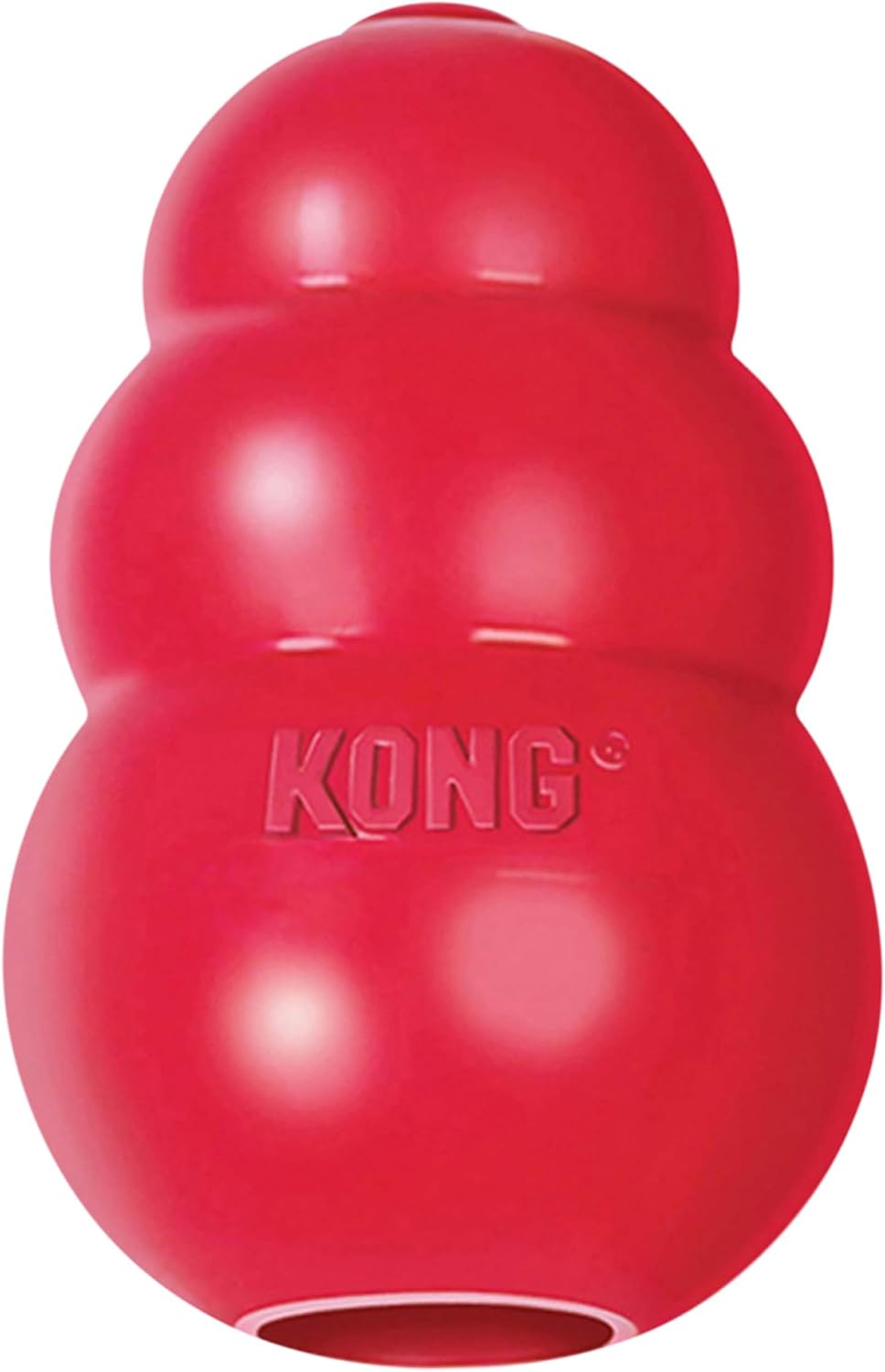 KONG Classic Dog Toy – Best Overall Chew & Treat Toy/strong>
Type: Durable chew toy / treat dispenser (Interactive). Material: Natural rubber (red KONG Classic formula). Why We Love It: The KONG Classic is a legendary dog toy that’s been around for decades – and for good reason. It’s made of tough, chew-resistant rubber (firm but with a bit of bounce) that can withstand average chewing and is recommended by veterinarians and trainers worldwide. The KONG has a hollow center you can stuff with treats or peanut butter, turning it into a challenging puzzle that can keep dogs busy. You can even freeze it with yogurt or wet food inside to make the fun last longer. The unique beehive shape causes an erratic bounce when thrown, making fetch more exciting. It comes in multiple sizes (from XS to XXL) to suit every breed. Many owners report the KONG is their go-to solution for teething puppies and to help dogs with separation anxiety, because a KONG stuffed with something yummy can distract and soothe a dog for a good while.
Key Features:
- Durable Natural Rubber: The proprietary KONG red rubber is durable yet gentle on teeth. It’s firm enough for strong chewers without being rock-hard. (For extreme chewers, KONG also makes a black version that’s even tougher.)rover.com
- Treat-Stuffing Fun: You can fill the Kong with kibble, soft food, or treats. This turns it into a mental exercise as the dog works to get the food out. Great for occupying busy minds and slowing down fast eaters.
- Versatile for Play: Apart from chewing and food enrichment, the KONG doubles as a fetch toy – it bounces unpredictably, which dogs find irresistible during chase. It’s also water-safe, so it can be used for water fetch (it will float if filled with air; if filled with water or something, it may sink).
- Various Sizes & Formulas: Comes in Puppy version (softer rubber for teething), Senior version (softer for older jaws), Classic adult, and Extreme (harder rubber for power chewers). Always get an appropriate size – e.g. a Large KONG for a 50 lb dog, etc., so they don’t swallow it.
2. Benebone Tripe Bone Durable Dog Chew Toy for Aggressive Chewers, Real Tripe, Made in USA, 3 size

Type: Chew toy (nylon bone).
Material: Super-durable nylon infused with real tripe flavor.
Why We Love It:
The Benebone Tripe Bone is specially designed for aggressive chewers who need something stronger than ordinary toys. Its unique bone-like shape provides multiple gripping and chewing angles, keeping dogs engaged and giving them a satisfying challenge. Made in the USA with tough nylon and flavored with 100% real tripe, it offers an irresistible scent and taste that dogs love. Unlike edible chews, it isn’t meant to be eaten, so it lasts for weeks or even months of daily chewing.
Key Features:
- Durable & Long-Lasting: Benebones are made of heavy-duty nylon – one of the toughest toy materials. They’re tougher than real bones and won’t splinter. These chews can stand up to serious gnawing by aggressive chewers (though determined dogs will eventually wear them down – replace when edges are heavily chewed or roughed up).
- Real Flavor Throughout: Infused with real flavors (bacon, peanut, chicken, etc.), not just coated. Dogs can tell the difference – the enticing smell and taste keeps them interested. There is no artificial flavor; Benebone uses real food-grade ingredients for flavor.
- Ergonomic Shape: The wishbone design is curved with a prong on each end. This makes it easy for dogs to pick up and hold between their paws. Since dogs don’t have thumbs, the clever shape gives them leverage to really chew down on it.
- USA Made, Multiple Sizes: All Benebones are made in the USA. They come in sizes suitable for small to giant breeds. Always choose the right size (e.g. small for <30 lbs, medium for 30-60 lbs, large for 60-90 lbs, etc.) to ensure safety.
One thing to note: because Benebones are so hard, supervise at first to ensure your dog’s teeth are in good shape (very hard nylon can rarely cause tooth cracks in dogs with existing dental issues). Most dogs do fine and benefit from the gum massage and cleaning action. Overall, if your dog loves flavored chews and tends to destroy other toys, the Benebone is a fantastic, long-lasting option.
3. Nylabone Dura Chew Textured Bone – Best Dental Chew Toy (Nylon Bone)

Type: Chew toy (dental nylon bone).
Material: Tough nylon (textured).
Why We Love It: Nylabone is one of the original makers of nylon dog chews, and their Dura Chew line is made for powerful chewers. These are the classic “plastic bone” toys you might have seen – they come in different shapes and flavors (like chicken, peanut butter, etc.). The Dura Chew Textured Bone has ridges and nubs on it which help scrape teeth clean while dogs chewpetindiaonline.com. It’s great for maintaining dental hygiene and satisfies dogs’ urge to chew in a non-destructive way. Nylabones are also very long-lasting; dogs will work on them over weeks, gradually grinding them down. They’re a staple for many owners whose dogs love chewing but need an alternative to real bones or rawhides.
Key Features:
- Tough Nylon Construction: Made from hardy nylon that can withstand serious chewing. It doesn’t splinter, though it will get rough edges as it wears – those raised, fuzzy nylon bits actually act like a mini toothbrush on your dog’s teeth. (When the chew becomes very knobby or small, it’s time to replace for safety.)
- Promotes Dental Health: The ridges and nubs on the bone help clean teeth and control plaque/tartar as the dog chewspetindiaonline.com. Chewing also stimulates saliva which can aid oral health. While it’s not a substitute for brushing, many vets encourage dental chew toys like Nylabone to supplement dental care.
- Variety of Flavors & Shapes: Available in flavors such as chicken, bacon, beef, etc., which are infused in the material. Dogs often find them tasty (though less so than something like Benebone which uses real flavor, but Nylabone’s advantage is they’re completely synthetic and uniform). Nylabone offers different shapes (bone, wishbone, ring, etc.) – the Textured Bone is a straight bone shape with bumps.
- Different Sizes & “Chew Strengths”: Nylabone labels their products by dog size and also by chew style (Puppy softer chews, Moderate chewer, Power chewer, Extreme chewer). The Dura Chew is for strong chewers. Ensure you get the right size (too small is a choking hazard, too large is fine except the dog might lose interest if it’s unwieldy).
Nylabones are non-edible – tiny shavings that come off are usually safe if ingested in small quantity, but you don’t want your dog actually eating big chunks. Supervise to see they are just scraping it, not trying to consume it. Most dogs will just gnaw on it happily. If your dog likes a challenge, Nylabone also has “double action” bones and other designs that might hold their interest. This is a budget-friendly, vet-recommended chew toy that can really help with keeping a heavy chewer occupied and their teeth cleanerpetindiaonline.com.
 Chuckit! Ultra Ball Dog Toy
Type: Fetch toy (ball).
Material: Natural rubber (high-bounce, buoyant).
Why We Love It: The Chuckit! Ultra Ball is often hailed as the ultimate dog ball. It’s bright orange with a blue stripe, making it highly visible in grass and water. The rubber is thick and durable – far tougher than a tennis ball – yet has a terrific bounce that drives dogs crazy (in a good way). It’s also designed to be used with the Chuckit! Ball Launcher (though you can throw it by hand just fine). We love it because it’s long-lasting even with heavy fetch use, easy to clean (no furry exterior like tennis balls), and even floats for dogs who enjoy water retrieves. Many reviewers say their dogs prefer the Ultra Ball over any other toy.
Key Features:
- Super Durable Rubber: Built to withstand vigorous chewing and fetching, the Ultra Ball doesn’t split easily. The rubber is solid (with air inside) so it maintains its shape under pressure. We’ve seen even moderate chewers use this as a chew toy without destroying it – it’s that tough. Great for dogs who pop tennis balls in seconds.
- High Bounce & Lightweight: The ball has an extra high bounce, making fetch more exciting as it ricochets off the ground unpredictablyIt’s also lightweight and buoyant, so you can throw it far and it will float on water – perfect for beach or pool play.
- Multiple Sizes: Ranging from Small (2″ diameter) to XXL (4″ diameter). The Medium (2.5″) is the size of a standard tennis ball and fits the common Chuckit! launchers. Be sure to get the right size so it’s not a choking risk (e.g. get Large for a Rottweiler).
- Easy to Clean: Smooth rubber surface doesn’t collect much slobber or dirt. A quick rinse and it’s clean. It also won’t abrade teeth like the fuzzy surface of tennis balls can over time.
If your dog loves fetch, upgrading to the Chuckit Ultra Ball can be a game changer. They’ll get more exercise and fun from the lively bounce and you’ll appreciate that one ball lasts a long time (they’re sold in two-packs usually). Pair it with a launcher to save your arm and really send the ball flying. In terms of pure fetching joy and durability, this ball is hard to beat.
5. Outward Hound Hide A Raccoon Plush Dog Toy Puzzle
 Outward Hound Hide A Raccoon Plush Dog Toy Puzzle
Type: Puzzle toy (hide-and-seek plush).
Material: Soft plush (polyester) with squeakers.
Why We Love It: The Hide-A-Squirrel is an adorable and engaging puzzle plush that has become a bestseller. It comes with a soft tree trunk and several squeaky little squirrel toys. You stuff the squirrels in the trunk’s holes and your dog has to figure out how to pull them out – playing on their natural hunting and foraging instincts. Dogs absolutely love digging the squeaky squirrels out of their “burrow,” and many end up treating the little squirrels as separate play toys (fetching them, chewing lightly, or squeaking them). It’s a fantastic toy for mental stimulation, especially for smaller and medium dogs, although large dogs enjoy it too (just note they might dismantle it faster due to larger jaws). It’s not designed for heavy chewing sessions, but as a puzzle game and plush play, it’s top-notch.
Key Features:
- Interactive Hide-and-Seek Gameplay: Dogs stay engaged by trying to retrieve the hidden squirrels. This can keep them occupied and entertain their mind as they “hunt” for the squeakers. It’s a fun challenge that can redirect energy from unwanted behaviors (like digging in the yard) to this toy.
- Includes Squeaky Toys: Comes with 3 (Small size) up to 6 (XL size) squeaky squirrel plushies. The squirrels have built-in squeakers which reward the dog’s find with a squeak – highly motivating for many dogs. You can also toss the squeaky squirrels for a mini game of fetch indoors.
- Gentle on Teeth & Gums: The whole toy is plush, so it’s soft in the dog’s mouth. Great for puppies and adult dogs alike who like softer play. Even puppies can enjoy it since the plush texture is easy on their teething gums.
- Multiple Sizes Available: Comes in Small, Medium, Large, and XL (the bigger sets have more squirrels and larger trunk). Choose a size that suits your dog’s mouth – e.g. small for toy breeds, medium for 20-40 lb dogs, large or XL for bigger dogs. Larger sizes ensure the squirrels aren’t too tiny (which could be a choking hazard for big dogs).
One safety note: this toy is best used under supervision, especially if your dog is prone to shredding plush toys. The squirrels and trunk can be torn if a dog decides to rip rather than gently pull them out. The puzzle is intended for supervised interactive play– once playtime is over, you may want to put it away to prolong its life. Many owners report their dogs become obsessed with this toy, carrying the squirrels around and begging to play hide-and-seek repeatedly. It’s a great choice to bust boredom and provide a soft, squeaky play outlet.
6. Nina Ottosson by Outward Hound Dog Brick Puzzle – Best Treat Puzzle Game (Intermediate Level)
 Nina Ottosson by Outward Hound Dog Brick Puzzle – Best Treat Puzzle Game (Intermediate Level)
Type: Puzzle toy (treat puzzle board).
Material: Composite plastic/wood or hard plastic (depending on version).
Why We Love It: The Dog Brick is one of the most versatile and popular interactive treat puzzles. Nina Ottosson puzzles (made by Outward Hound) are well-designed to give dogs a mental workout. The Dog Brick is rated Level 2 (Intermediate), making it a great introduction to puzzles for dogs who have tried easy toys or for naturally inquisitive pups. It features a flat board with sliding tiles and liftable/flippable compartments where you hide treats. Dogs must figure out how to slide open the slots and flip up the bones to reveal the treats. We love it because it offers multiple ways to play, keeps dogs occupied, and can even be used as a slow feeder for fast eaters
Key Features:
- Multi-Step Puzzle: The Dog Brick has three different treat-hiding mechanisms: flip up the white bone pieces, slide the red blocks, and under the red blocks are hidden compartments too. This means the dog has to perform different actions (nudging, pawing, maybe lightly biting) to get all the treats, adding to the challenge.
- Mental Stimulation & Boredom Buster: It provides substantial mental engagement. Dogs have to problem-solve and it can take them several minutes or more to finish (especially the first few times), which is great for burning off mental energy. As noted, 15 minutes of this mental work can equal 30 minutes of physical exercise in terms of tiring the dog. It’s useful for anxious or high-energy dogs to redirect nervous energy and for rainy-day enrichment.
- Slows Down Eating: The puzzle can hold about 3/4 cup of kibble, so you can use it as a slow feeding bowl. This is fantastic for dogs that gobble their food – it forces them to work for each bit, preventing gulping and aiding digestion.
- Durable and Safe Design: Made of pet-safe composite (no removable small parts – the little white “bone” pieces lift but are attached so the dog can’t remove them completely). It’s built to be sturdy for pawing and nosing around. However, it’s not a chew toy, so don’t let the dog start chewing the pieces. Always supervise and take it away after the treats are found. Clean-up is easy: it’s plastic, so you can hand wash with soapy water.
The Dog Brick is an excellent starting puzzle or a step up from a simple treat ball. If your dog masters it too quickly, Nina Ottosson offers harder puzzles (Level 3) like the Dog Casino or Challenge Slider. But many dogs will enjoy the Dog Brick for a long time by increasing the challenge (you can make it harder by adding a small piece of tape over some compartments, or not filling all so the dog has to sniff which ones have treats). It’s a great value for the amount of enrichment it provides and is one of our top picks for keeping a dog’s brain engaged.
 Mammoth Flossy Cotton Rope Tug (3-Knot) – Best Tug-of-War Rope Toy (Dental Benefits)
Type: Interactive tug toy (rope).
Material: 100% cotton rope fibers.
Why We Love It: You can’t go wrong with a classic rope toy for tugging and tossing. The Mammoth Flossy 3-Knot Rope is our favorite because it’s big, sturdy, and even claims to floss your dog’s teeth while they chew and tug. The rope is made of a cotton blend that is tough yet has some give. It has multiple knots (3 in the large version) which give both you and your dog something to grab onto. We love it for games of tug-of-war, which most dogs adore and which provide great exercise and bonding. As the dog chews and pulls, the rope fibers can actually help clean their teeth and gums (like string dental floss)dogster.com. It’s a simple toy, but often the simple ones are the biggest hits.
Key Features:
- Durable & Long Rope: The Mammoth rope toys are known for long strands and tight, large knots. The 3-Knot rope comes in sizes like Medium (20 inches) up to Extra-Large (36 inches or more). The large size is great for big dogs or even two dogs playing tug together. It’s thick and designed to withstand vigorous pulling. (For smaller dogs, get a smaller size rope or a 2-knot rope).
- Dental Floss Action: The natural cotton fibers actually act like floss on your dog’s teeth when they chew on the rope or tug. It can help reduce plaque buildup in a fun waydogster.com. Of course, it’s not a substitute for brushing, but every bit helps.
- Versatile Play: Aside from tugging, you can also throw a rope toy (like a fetch toy, though not as far as a ball) and let your dog shake it. Some dogs enjoy just chewing on the knotted parts too. It’s a multi-use toy that can entertain in different ways. And if you have multiple dogs, rope toys are great for supervised group play (two dogs can tug with each other).
- Affordable: Rope toys are generally inexpensive, and given their size and durability, the Mammoth ropes are a good value. Even if eventually the knots get slobbery or the rope frays, you get a lot of playtime out of it for the cost.
Safety Tip: Monitor the rope’s condition. Over time, as your dog chews, the rope will fray. Ingesting a few strands isn’t usually harmful (they often pass through), but swallowing a lot of string can be dangerous. If the rope starts coming apart into strings, either trim the frayed parts or retire the toy. You can prolong its life by occasionally wetting and freezing the rope – some dogs love a frozen rope toy for teething (cool on the gums) and it can make it even more resistant to shredding. Always supervise tug play and teach your dog rules (never let their teeth contact your hand, “drop it” command, etc.) to keep it fun and safe.
8. Goughnuts Black Ring – Most Indestructible Chew Toy (For Extreme Chewers)
 Goughnuts Black Ring – Most Indestructible Chew Toy
Type: Chew toy (power chewer grade).
Material: Proprietary natural rubber blend (with safety indicator layer). Why We Love It: For those dogs that destroy everything, the Goughnuts Ring is a game-changer. It’s a solid, heavy rubber ring (looks like a thick black donut) engineered specifically for aggressive chewers. It’s virtually indestructible for 90% of dogs – and if your dog does manage to start getting through it, there’s a built-in safety mechanism: a red inner layer that becomes visible when the toy is compromised, signaling it’s time for a replacement (Goughnuts even offers replacements under their warranty if that happens). We love Goughnuts because they give heavy chewers a safe outlet with no small parts, no risk of chunks breaking off, and they are even used for police K9s and zoo animals due to their durability. It might not have bells and whistles, but power chewers will find it highly satisfying to gnaw on.
Key Features:
- Maximum Durability: Designed by mechanical and polymer engineers, this toy is all about strength and safety. The smooth, solid rubber has no weak spots, seams, or pieces that could break. Dogs can gnaw and gnaw and it holds up for ages. It’s also quite large and thick, making it hard for a dog to get the leverage to tear it apart (that’s part of the design – choose a size larger than your dog’s jaw width for optimal safety).
- Safety Indicator & Guarantee: Goughnuts toys have a two-layer color system – for the black ring, the outer is black and the inner core is red. If your dog chews down to expose red, it means they’re getting through, and you should remove it. Goughnuts offers a lifetime warranty in many cases – you send back a toy that reached the red core and they’ll send a new one (check their policy for details). This is great peace of mind that it’s a truly safety-conscious toy.
- Simple Donut Shape: The ring shape is not only durable but also somewhat interactive – you can roll it on the ground and some dogs like to chase it like a wheel. It also bounces a bit if thrown. It’s thick for chewing and has a decent heft (the larger ones weigh over a pound). The round shape means no corners to break off and it’s less likely to cause tooth fracture than sharper-edged hard toys.
- Sizes and Versions: The Goughnuts ring comes in different sizes (Original, Maxx, etc.) and formulas. The Black (Pro 50) is the toughest standard formula. They also have an even stronger orange/yellow “Xtreme” version for the truly insane chewers. For most, the black ring suffices. Make sure to get a size large enough – e.g., the MAXX 50 (Black) for giant breeds or super chewers, the Original for medium/large dogs, etc. (Goughnuts offers recommendations based on dog weight).
This toy is not as “fun” or engaging as some others (it doesn’t squeak, no flavor, etc.). Its primary purpose is to be chewed safely for a long time. Therefore, it’s best for dogs who are self-entertained chewers. You can encourage your dog by smearing a bit of peanut butter on the surface or engaging in a bit of fetch/tug with it (though it’s not very flexible for tug). It’s also a bit pricey, but considering it can last years, it’s worth the investment if you’ve been buying toy after toy only to see them destroyed. Goughnuts gives extreme chewers a product they (and your wallet) can rely on.
9. SmartPetLove Snuggle Puppy Behavioral Aid – Best Comfort Toy for Puppies (Anxiety Relief)
 SmartPetLove Snuggle Puppy Behavioral Aid
Type: Comfort toy (plush with heartbeat and heat pack).
Material: Soft plush exterior; electronic heartbeat device and disposable heat packs.
Why We Love It: The Snuggle Puppy isn’t just a toy – it’s more of a training and comfort aid. It’s a stuffed puppy plush that contains a battery-powered heart simulator and an optional heat pack. It’s famous for helping new puppies sleep through the night and easing anxiety by simulating the presence of a mama dog or littermate. We love it because it can dramatically reduce nighttime whining, help with crate training, and calm dogs during stressful times (like thunderstorms or when home alone). It has helped over a million dogs since it was introduced in 1997petco.com, and it’s often recommended by breeders and vets for puppies leaving mom for the first time.
Key Features:
- Real-Feel Heartbeat: The toy comes with a plastic heartbeat module that runs on AAA batteries (included). When turned on, it emits a gentle pulsing heartbeat vibration that dogs can feel and hear subtly. It has two modes – an 8-hour mode (auto shuts off, great for night) or continuous moderover.com. This heartbeat mimics the comforting thump of a mother dog’s heart, which can significantly calm puppies and even adult dogs with separation anxiety.
- Heat Pack for Warmth: Also included are disposable heat packs that you can insert into the Snuggle Puppy’s belly pocket. The heat pack warms up (like a hand warmer) and lasts around 24 hours, providing gentle warmth akin to a littermate’s body heatrover.com. This combo of warmth + heartbeat creates the sensation of snuggling up to another living creature, which is incredibly soothing to dogs. (Refill heat packs are available, or you can use it without heat if you prefer.)
- Soft & Cuddleable: It’s made of plush fabric and is about the size of a young puppy. Dogs can cuddle with it, lie on it, or use it as a pillow. Many puppies will curl right up next to it at night and sleep soundly. The materials are certified safe for pets and humans, and the plush cover is machine washable (just remove the heartbeat device and heat pack)petco.com.
- Effective for Various Situations: Primarily designed for crate training and helping puppies settle at night, it’s also useful for adult dogs with anxiety – for example, during travel, thunderstorms, fireworks, or any time a dog may be stressed or alone. It helps reduce stress-related behaviors (barking, whining, etc.) by providing that sense of comfort. Many owners report “no more sleepless nights” after introducing Snuggle Puppy to their new puppypetco.com.
Using the Snuggle Puppy is straightforward: turn on the heartbeat (and activate a heat pack if using), place it in your dog’s crate or bed just before quiet time. It’s often recommended to introduce the toy before the first night alone – let the puppy associate it with calmness by using it during naps or quiet cuddle times. One more tip: you can even scent it with something (some breeders rub the toy on the puppy’s mom or litter to transfer scent, or you can tuck a small cloth with your own scent in the pouch) to strengthen the soothing effect.
The Snuggle Puppy kit might cost more than a regular toy, but considering it can make the difference in a puppy crying all night vs. sleeping peacefully, it’s worth every penny. And it’s not just for puppies – many adopters of rescue dogs or even long-time dog owners use it to help with new transitions or anxiety issues. It’s truly a heartwarming product in every sense!
10. goDog Squeaky Plush Toy with Chew Guard – Best Durable Plush Toy (with Squeaker)
 goDog Squeaky Plush Toy with Chew Guard
Type: Plush toy (squeaky, reinforced).
Material: Soft plush fabric with Chew Guard mesh lining.
Why We Love It: Every dog should have a fun plush toy to toss, shake, or cuddle – but if your dog tends to destroy stuffed toys, you’ll appreciate goDog’s line of Chew Guard plushies. These toys (shaped like dinosaurs, alligators, dragons, etc.) are adorably designed and have hidden squeakers, but most importantly, they are reinforced with a special mesh layer inside that makes them tougher than standard plush toys. While not indestructible, they do hold up much better against chewing and rough play. We chose goDog as our durable plush pick because they back their products (often offering a one-time replacement if it’s destroyed quickly) and they provide that soft, squeaky fun dogs love, with a bit more longevity.
Categories of Dog Toys (Chew, Interactive, Puzzle, Fetch, Comfort & Tough Toys)
Dogs play in different ways, so toys come in various types. Understanding these categories will help you pick the best dog toy for your pup’s play style and needs. We’ll cover the main types: chew toys, interactive toys, puzzle toys, fetch toys, comfort toys, and indestructible/tough toys, with examples and tips for each.
Chew Toys (Durable Chew Toys for Dental Health & Teething)
Dogs have a natural urge to chew – especially puppies who are teething and adult dogs who are “power chewers.” Chew toys are designed to be gnawed on and are typically made of tough materials like rubber or nylon. They satisfy your dog’s chewing instincts and protect your shoes and furniture from those powerful jaws.
 AUSCAT Teething Dog Toys, Durable Squeaky Dog Toys, Rubber Chew Toys for Dogs, Dumbbell Shape, Blue
Key features of good chew toys: they should be durable enough to withstand chewing (for aggressive chewers, avoid cheap brittle plastic that can splinterrover.com) and appropriately sized so your dog can’t swallow them. Popular chew toys include rubber toys (like the Kong), nylon bones (e.g. Nylabone or Benebone), and even edible chews. Many chew toys have added benefits: textured surfaces or nubs that help clean teeth and reduce tartar as the dog chews. For example, Nylabone chew toys are touted to support oral health by scraping plaque and promoting healthy gums.
Chew toys are especially great for teething puppies (who need safe outlets for sore gums) and for adult dogs that like to chew constantly. Always choose a toy appropriate for your dog’s chewing strength – a soft plush isn’t suitable for a heavy chewer, whereas an extra-hard nylon bone may be too much for a gentle chewer or young puppy (it could hurt their teeth). When in doubt, err on the side of a tougher toy, but make sure it’s not so hard it could crack a tooth (hard nylon or bone should be used under supervision). Durable chew toys can keep a dog busy and relieve stress or boredom through healthy chewing.
(Safety tip: Discard chew toys once they become very small or start breaking into pieces, to prevent choking or ingestion.)
Interactive & Tug Toys (Engaging Toys for Bonding and Active Play)

Interactive toys are all about engaging with your dog – or letting them interact with the toy in an exciting way. These often involve you (the owner) participating in play, which is great for bonding and training. A classic example is a tug toy: usually a rope or rubber tug designed for a game of tug-of-war. Dogs love tug games as a way to play with you and satisfy their urge to grab and pull. Tug toys (like braided ropes or rubber rings with handles) must be sturdy; look for high-quality rope toys made of natural cotton or durable fibers.
Rope tug toys are great for interactive play and can even help clean your dog’s teeth. The fibers of a cotton-blend rope act as dental floss during tug and chew sessionsdogster.com.
Other interactive toys include any toy you and your dog play together: frisbees for fetch (discussed more below), flirt poles (a pole with a toy on a string, like a giant cat teaser, to entice your dog to chase), or even interactive electronic toys. Some toys encourage interactive solo play, meaning the toy “responds” to the dog’s actions. For instance, a squeaky toy rewards the dog’s bite with a fun sound (to a dog, that squeak is highly satisfying and can spur more play). There are also motion-activated toys or treat dispensers that wobble when pushed, giving the dog feedback and making playtime more engaging even when alone.
Interactive toys are ideal for high-energy and intelligent dogs who crave engagement. A rousing game of tug or chase can tire out your dog both physically and mentally. Just be sure to teach tug-of-war rules (like “drop it” on command) so the game stays friendly and doesn’t encourage mouthing your hands. Also, supervise the condition of rope toys – if the rope becomes frayed, replace it to prevent ingestion of strings (as rope strands can pose intestinal hazards if swallowed).
Puzzle Toys & Treat-Dispensers (Toys for Mental Stimulation)
Puzzle toys are a fantastic way to challenge your dog’s brain. These toys require dogs to figure something out to get a reward, usually a treat. Puzzle toys come in several forms: treat-dispensing balls, interactive puzzle boards with compartments, plush hide-and-seek toys, and more. The goal is to stimulate your dog’s problem-solving skills and keep them busy. They’re especially useful for smart breeds or any dog that gets bored easily.
Common puzzle toys include:

- Treat-dispensing balls or cubes: Your dog rolls or nudges the toy and kibble falls out through a hole. This turns mealtime into a game and can slow down fast eaters.
- Puzzle boards (plastic or wood): These have sliders, levers, lids, or flaps that the dog must move to reveal hidden treats. They come in different difficulty levels (Level 1 easy, up to Level 3-4 advanced).
- Hide-and-seek plush toys: A popular one is the Outward Hound Hide-a-Squirrel Check Price on Amazon, where squeaky squirrel toys are hidden in a plush “tree trunk” and the dog must sniff them out and pull them out of holes. It taps into a dog’s instinct to hunt smaller creatures in burrows – and dogs find it highly entertaining to extract the squeaky squirrels!
Puzzle toys provide mental exercise that can tire your dog out. As mentioned earlier, a short puzzle session can equate to a much longer walk in terms of energy expended. They are also great for dogs that are left alone, as they keep the dog occupied in a constructive way (more on that in our FAQ “Are interactive toys good for dogs when left alone?”). Puzzle play can reduce anxiety and prevent behaviors like excessive barking or digging that often stem from boredom.
When introducing a puzzle toy, start easy so your dog doesn’t get frustrated. You may need to show them how it works. For example, let them watch you place treats in the compartments and leave some doors open initially. As they get the hang of it, you can increase the difficulty. Always supervise at first to ensure they don’t chew or break the puzzle (many puzzles are plastic – durable, but not meant for unsupervised chewing). For heavy chewers, focus on puzzles made of hard rubber or thick plastic without removable small parts.
Fetch Toys (Balls, Discs & Toys for Retrieval)
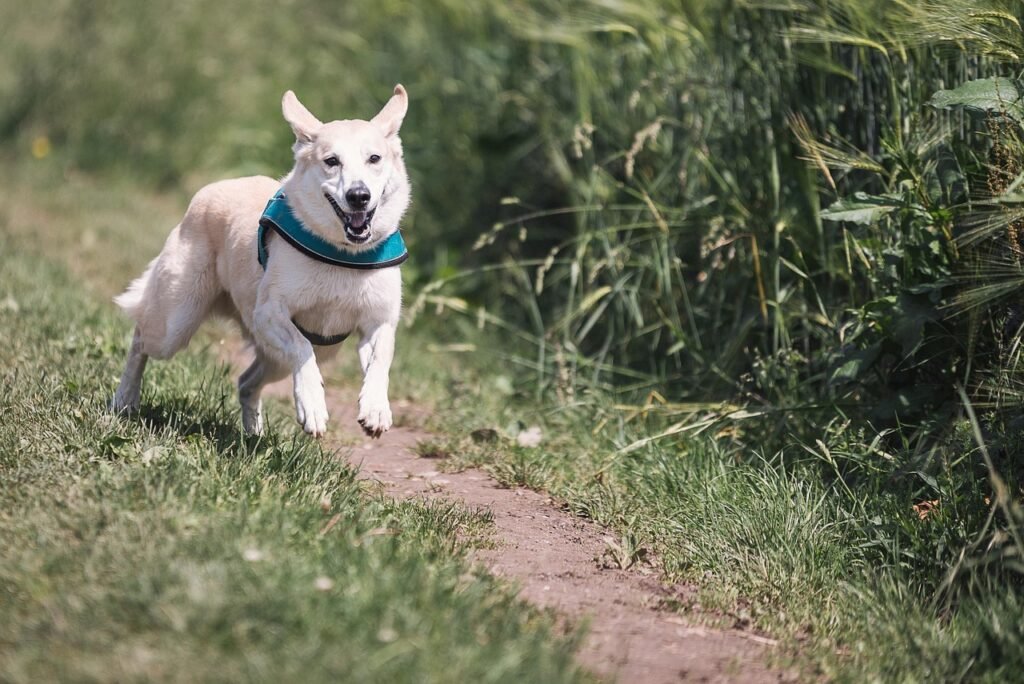
Fetch toys are any toys you can throw and your dog will chase and (hopefully) return to you. Playing fetch is a superb way to exercise an active dog – many breeds like retrievers, collies, and terriers have endless fetch drive. The quintessential fetch toy is a ball. While a simple tennis ball can work, it’s better to use a ball designed for dogs: look for rubber balls that are durable, bouncy, and appropriately sized. (Standard tennis balls can wear down teeth over time due to the abrasive fuzz, and they can be a choking hazard for large dogs if the ball is too small.) One of the top-rated fetch balls is the Chuckit! Ultra Ball, a bright orange rubber ball known for its high bounce and toughness.
Frisbees and flying discs are another great fetch toy, especially for dogs that love to leap and catch. Choose a dog-safe disc (soft rubber or nylon fabric discs are easier on the mouth than hard plastic frisbees). Some dogs also love fetching sticks, but it’s safer to use a rubber fetch stick toy rather than real wooden sticks, which can splinter.
The best fetch toys are highly visible (bright colors), have an erratic bounce to keep dogs guessing, and may even float for water play. For example, the Chuckit! Ultra Ball is made of lightweight, buoyant rubber that floats, and it bounces higher than standard tennis balls, making fetch extra fun. Fetch toys often come in multiple sizes – always get one large enough that your dog can’t accidentally swallow it. And if your throwing arm needs help, ball launcher accessories (like the Chuckit! launcher) can fling a ball much farther with less effort.
Fetch toys provide vigorous exercise and tap into natural prey-chase instincts. Just be sure to play in a safe, enclosed area or use a long leash if not fenced, and don’t throw objects that could injure your dog (avoid sticks with sharp ends, or balls that are too hard). As with any toy, inspect balls or discs regularly for cracks or damage, and replace them when worn.
Comfort Toys (Plush Toys & Snuggle Aids for Soothing)
Not all toys are about high energy – some serve as comfort objects for dogs. Comfort toys are typically soft plush toys that a dog carries around, cuddles with, or uses for suckling (some puppies love to suck on a plush like a pacifier). These toys can help relieve stress and ease loneliness or anxiety. For example, many puppies go home to their new families with a plush toy that has the scent of their mother or littermates – this helps them feel secure in the new environment.
A special category of comfort toy is the “heartbeat” toy designed for anxious puppies or dogs. The most famous is the Snuggle Puppy by SmartPetLove, a plush puppy toy that contains a battery-operated heartbeat simulator and heat pack. It mimics the warmth and heartbeat of a mother dog, which can greatly soothe puppies at night or dogs with separation anxiety. By snuggling up to the toy, dogs feel like they have a companion, which can reduce whining, barking, and insomnia in the crate.
Comfort toys like the Snuggle Puppy are designed to calm anxious dogs by simulating a warm companion. The Snuggle Puppy has a “Real-Feel” pulsing heartbeat and optional heat pack to naturally calm pets by mimicking the soothing presence of another dogpetco.competco.com.
Other comfort toys can be any soft stuffed animal your dog is attached to. Some dogs love plushies with squeakers, treating them like “babies” to carry gently (while other dogs might shred plush toys – know your dog’s style!). There are also blanket toys (a cross between a blanket and plush animal) that some dogs like to knead or suck on, which can be calming.
When choosing comfort toys, consider softness and safety. There should be no small hard pieces (like plastic eyes or buttons) that the dog could chew offrover.com – many dog plush toys use embroidered features instead. Ensure the toy is large enough not to be swallowed and durable enough if your dog does decide to nibble it. Always monitor a new plush toy to see if your dog treats it gently or aggressively. If your pup is a shredder, look for “tough” plush toys that have reinforced seams or mesh linings (some brands like goDog make plush toys with Chew Guard technology to help them last longer). But even “indestructible” plushies aren’t truly indestructible, so supervise and remove if stuffing or pieces start coming out.
Comfort toys can be wonderful for crate training and for any time your dog needs a little extra reassurance or a nap buddy. Many dogs also just enjoy snuggling or carrying their plush pals around – it’s heart-meltingly cute!
Indestructible & Tough Toys (For Power Chewers & Destructive Dogs)
If your dog has destroyed every toy you’ve given them, this category is for you. Tough toys (often marketed as “indestructible dog toys”) are made for aggressive chewers and large breeds with strong jaws. While no toy is truly indestructible, these are the closest you can get. They’re typically constructed from very durable rubber or nylon, and often are one-piece (no bits that can break off).
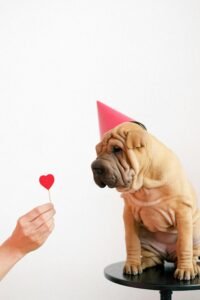
Common examples include heavy-duty rubber rings, solid rubber balls, and nylon chew bones. A well-known brand in this space is Goughnuts, which makes rubber chew rings engineered by polymer experts – they even incorporate a safety indicator: if your dog chews through the outer layer to expose the red core, that signals it’s time to take it away and get a replacement. Goughnuts toys are designed to have no weak spots and to withstand extreme chewing, preventing dogs from ingesting pieces. Another popular tough toy maker is West Paw, whose Zogoflex line of toys (like the Hurley bone or Tux treat toy) are extremely durable, non-toxic, and come with a manufacturer guarantee.
When choosing a tough toy, consider size and shape. For safety, larger is better for power chewers – a toy that’s large and thick is harder for the dog to get leverage on and tear apart. Avoid toys with narrow parts that can be gnawed off. Look for toys labeled for “aggressive chewers” or that have excellent reviews from owners of heavy-chewing breeds (e.g. pit bulls, German shepherds, Labradors). Materials like hard natural rubber, nylon, or dense polypropylene tend to last longest. Some tough toys are also multi-purpose – for instance, the Kong Extreme (the black version of the classic Kong) is ultra-durable rubber and can be stuffed with treats, combining chew resilience with enrichment.
Keep in mind, even “indestructible” toys should be checked regularly for damage. Eventually, a determined dog can wear down any toy. Replace them once they start to deteriorate to avoid chunks breaking off. Also, make sure the material is safe and non-toxic (reputable brands avoid harmful chemicals; for example, West Paw’s toys are BPA- and phthalate-free, and made in the USA).
Tough toys are a lifesaver for dogs who normally demolish toys in minutes. They allow these dogs to chew to their heart’s content and expend energy without destroying your belongings. Plus, they save you money in the long run because you’re not constantly replacing shredded toys! In the next section, we’ll recommend some of the best durable toys for heavy chewers as well as top picks in the other toy categories.
How to Choose the Right Toy for Your Dog (Age, Size, Breed & Play Style)
Every dog is unique, and a toy that’s perfect for one might not interest another. When shopping for dog toys, consider your dog’s age, size/breed, chewing habits, and activity level. Here are some tips to choose the right toy based on these factors:
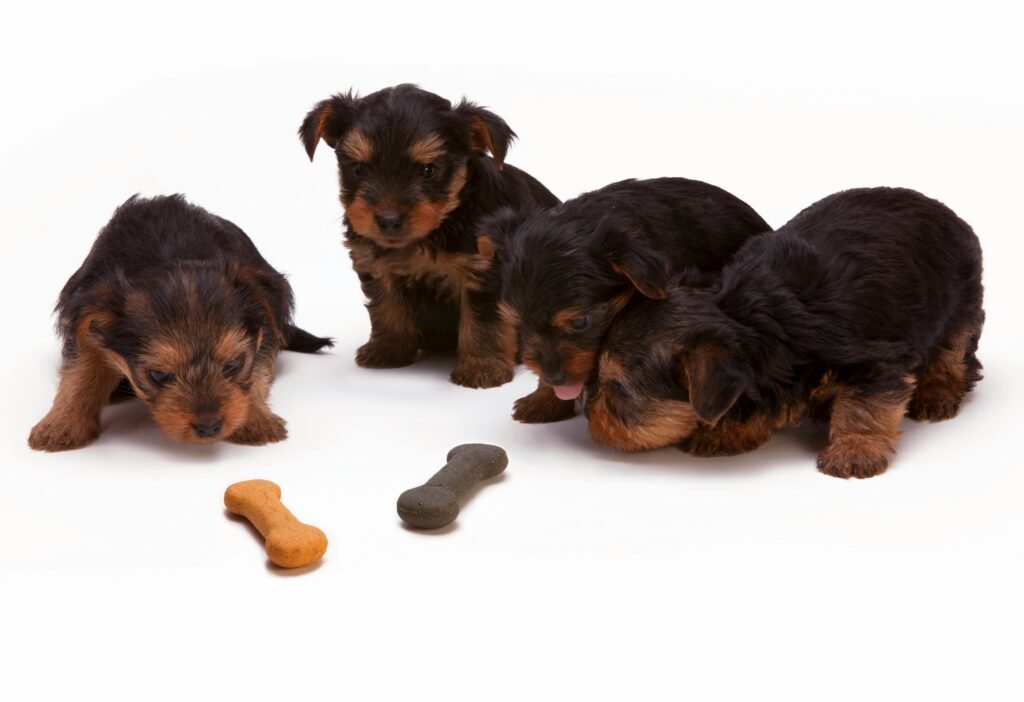
- Age (Puppy vs Adult vs Senior): Puppies have lots of energy and need chew toys for teething. For puppies, choose soft rubber toys or plush toys that are gentle on baby teeth – look for ones labeled “puppy” which are usually a bit softer. Great options are puppy Kongs, teething rings, and small soft stuffed toys. Avoid extremely hard chews (bones, antlers, hard nylon) for young puppies, as these can damage developing teeth. Also, always supervise puppies with toys, since they’re more likely to try to swallow things. For adult dogs, you can go with more durable toys suited to their size and strength. Active adults may enjoy all toy types (chews, fetch, puzzles) depending on their personality. Senior dogs (age ~7+ or dogs with dental issues) might need softer toys again – their jaws and teeth may not handle super hard chews. Seniors often still enjoy gentle chew toys, plush toys, or easy puzzles, but consider their mobility and gum sensitivity. Toys that dispense treats can encourage a more sedentary senior to keep moving mentally and physically.
- Size and Breed: Always choose toys of an appropriate size for your dog. Small dogs (e.g. Chihuahuas) need smaller, lighter toys they can carry and shake. Large dogs (e.g. Great Danes) need big toys so they won’t choke – a ball that’s great for a beagle could get stuck in a Rottweiler’s throat. Many toy brands offer sizes like S, M, L, XL – follow their weight/breed guidelines. Breed tendencies can also guide you: Retrievers and collies often love fetch, terriers may love tug and squeakers (that tap into their prey instinct), scent hounds enjoy treat puzzles that use their nose, etc. If you have a brachycephalic (flat-faced) breed like a bulldog, softer toys or ones with easy-to-grip shapes might be better since those dogs can’t always grab toys as effectively. In summary: scale toys to your dog’s size, and consider what types of play your breed was developed for.
- Chewing Habits (Gentle vs Aggressive Chewers): Evaluate how your dog interacts with toys. If they nibble or lick toys gently, then most toys (even plushies) will survive fine. If they are aggressive chewers who try to demolish anything, prioritize very durable toys (see the Tough Toys section above). For heavy chewers, rubber and nylon toys are best – flimsy toys can be dangerous because pieces can break off and cause choking or blockage. Also, avoid toys with lots of little pieces (like thin plastic parts, or stuffed toys with plastic eyes, etc.) in these cases. If your dog falls somewhere in the middle – they chew but not crazily – you have more flexibility, but always remove a toy once it starts coming apart. Tailor the toy’s material to your dog: Rubber Kongs, Goughnuts rings, Nylabone bones for the destroyers; rope toys, tougher plush, or softer rubber for moderate chewers; plush and fleece toys for the gentle souls.
- Activity Level and Play Style: Is your dog a couch potato or a ball of energy? High-energy dogs typically benefit from active toys like balls for fetch, frisbees, tug toys, and interactive puzzles to keep their mind and body occupied. Working breeds or very intelligent dogs might get bored with simple toys, so more complex puzzles or training toys (like a flirt pole or agility toys) can help. On the other hand, a more laid-back dog might prefer comfort toys or chew toys to relax with. Also consider if your dog usually plays with you or independently. If they’re often left alone, having some puzzle toys or safe chew toys they can use solo is important (see our FAQ on leaving dogs with toys alone). If you’ll be joining the fun frequently, focus on toys for interactive play (tug, fetch, etc.).
Don’t forget to observe what kinds of toys your dog gravitates to. Some dogs love anything that squeaks; others might be fixated on balls and ignore everything else. If possible, rotate a variety of toys to see what excites your pup the most. And it’s always good to have a mix (for example, a couple of chew toys, a ball, a plush, and a puzzle) to cover all bases and prevent boredom.
Lastly, safety first: choose non-toxic materials, appropriate sizes, and inspect toys regularly. When in doubt, consult your veterinarian for toy recommendations, especially if your dog has special needs (like dental issues or weight management – e.g., food puzzles can help slow feeding).
Dog Toy Safety Tips: Materials, Size & Supervision
While dog toys provide many benefits, it’s crucial to keep safety in mind. Inexpensive or improper toys can pose hazards like choking, intestinal blockage, or tooth damage. Here are some essential safety tips when it comes to dog toys:
- Choose Safe Materials: Look for toys made from non-toxic, dog-safe materials. Avoid toys that contain harmful chemicals like BPA, phthalates, or lead. Most major pet brands produce toys with safety in mind, but generic or dollar-store toys might not. Rubber, high-quality plastic, nylon, cotton rope, and polyester plush are common safe materials. If a toy has a strong chemical smell or dyes that bleed, it may not be safe. When in doubt, check if the product says it’s been safety-tested. For chew toys, natural rubber and nylon are durable choices that generally don’t splinter. Steer clear of brittle plastic toys that could shatterrover.com. Also, be cautious with rawhide chews – while loved by many dogs, rawhide can be a choking hazard and some are treated with chemicals. Only give rawhide with close supervision (or opt for safer edible chews like carrot sticks, bully sticks, etc., under vet guidance).
- Size Appropriateness: This was mentioned before but cannot be overstated – never give a toy that is small enough for your dog to swallow whole. Choking and internal blockages are among the top toy-related injuries. A ball, bone, or toy should be larger than your dog’s throat. A good rule: if in doubt, go a size up. For example, a typical tennis ball size is a choking hazard for an enormous breed; they should have extra-large balls. Similarly, tiny toys that come in kids’ pet playsets or toys meant for cats should not be given to dogs, as they can be easily ingested. If a toy can fit entirely in your dog’s mouth, it’s too small. For puppies and small dogs, avoid extra-large/heavy toys that could injure them or strain their jaw. It’s about finding a safe balance – the toy should be comfortable to carry but not so small it could be accidentally swallowed or lodged in the throatr.
- Avoid Toys with Dangerous Parts: Inspect toys for any small attachments or pieces that could come off. For instance, plush toys that have plastic eyes or buttons – a determined dog can rip those off and choke. It’s safer to stick to plushies with embroidered features and no hard bitsrover.com. Ribbons, strings, or bells (sometimes found in cat toys or cheap dog toys) are also risky if chewed off. Remove any tags, plastic strings, or packaging bits before giving a new toy to your dog. Even durable rope toys can fray; if your dog starts shredding a rope and swallowing strings, it’s time to take it away (ingested strings can cause serious digestive issues). Monitor toys like squeakers – many dogs love them, but if your dog tends to “disembowel” plush toys to get the squeaker, ensure you intervene before they swallow that plastic squeaker. Some dogs have needed surgery after ingesting squeakers or stuffing. If your dog is a toy destroyer, seek out “stuffing-free” toys or tough rubber toys without internal squeakers.
- Supervise and Monitor: The golden rule is always supervise your dog during play, especially with new toys or toys that could pose a hazard. Of course, we can’t watch our dogs 24/7, so give only indestructible-type toys when unsupervised (e.g. a hard rubber Kong or a durable chew that you’re confident in). Save toys that are prone to destruction (plushies, ropes, etc.) for supervised sessions. Keep an eye on the condition of all toys. Regularly inspect toys for damage – if a toy is cracking, splintering, or coming apart, take it away and either fix it (if possible) or discard it. Dogs can be sneaky; a toy might look fine on the outside but have a loose piece or nearly torn-through section. By being vigilant, you can prevent accidents. Dog trainer Max Randall emphasizes that monitoring play and removing damaged toys promptly are key to preventing injuriesrover.com.
- Special Considerations: For fetch play, don’t throw small balls for a large dog (choking hazard as mentioned). Also avoid overly hard objects like stones or heavy sticks that could hurt your dog’s teeth or mouth on impact. For water toys, ensure they float and are easily visible to your dog (and that your dog is supervised around water). If you use interactive food toys (like treat puzzles), make sure the food items are appropriate (no toxic foods, and size-wise they won’t just fall out and choke). Clean toys regularly – rubber and plastic toys can be washed with mild soap and rinsed, plush toys can often be machine washed (check labels). This keeps bacteria at bay, especially for toys that get slobbery or for rope toys that can harbor bacteria (occasionally tossing rope toys in the washing machine or a quick soak in a pet-safe disinfectant can help, then air-dry thoroughly).
- Know Your Dog: Ultimately, you know your dog’s quirks. If your dog is the type to shred and eat anything, you’ll have to be extra cautious and probably stick to the toughest of toys, removing anything at first sign of wear. If your dog has allergies or sensitivities, opt for simple materials (some dogs can be allergic to certain rubber or plastic compounds – though rare). If your dog guards toys or gets overly excited, practice trading and safe play to avoid any conflict or stress.
By following these safety guidelines, you can greatly reduce the risks and ensure that playtime is safe as well as fun. Remember that no toy is 100% safe – always be prudent and when in doubt, consult resources (vets, trainers, or reputable pet organizations) for toy recommendations.
Now, let’s get to the fun part – our top recommended dog toys by type. We’ve curated some of the best and most popular toys that dog owners and vets rave about, covering each category from chew toys to puzzles to comfort aids.
Key Features:
- Chew Guard Technology: Inside the toy is a durable mesh lining and double-stitched seams. This helps the toy resist tearing – dogs have to work much harder to rip it open. Many dogs that normally shred plushies can play longer with goDog toys because of this reinforcement. (Eventually, a very determined dog might still get it open, but it’s far sturdier than the average stuffed toy.)
- Fun Designs & Squeakers: goDog makes a variety of whimsical characters – such as Dinos, Dragons, Gators, Monkeys, etc. They usually have bright colors, different textures (some have “bubble plush” texture dogs like to mouth), and at least one squeaker inside to keep dogs engaged. Some models even have “silent” squeakers (ultrasonic – only dogs hear it) for a quieter option.
- Soft and Cuddly: Despite the toughness inside, the outside is still soft plush, so dogs can cuddle and carry it. It’s great as a comfort toy that can also withstand some rough play. Many dogs treat these as their “babies” and the added durability means the toy survives that affectionate nibbling and shaking.
- Sizes for Small to Large Dogs: They often come in multiple sizes (e.g., small, large). Choose appropriately – a big dog might swallow a toy meant for tiny dogs. The large versions of, say, the goDog Dragon, are nicely sized for medium-large breeds.
We recommend using this as an interactive toy – play fetch or tug (light tug) with it, let your dog chomp and squeak it. If your dog starts excessively trying to tear it apart, you might intervene to prolong the toy’s life. But if they do manage to make a hole, you can sometimes sew it up for more play, or contact goDog (with their Chew Guard guarantee, some retailers or the company may replace it if it didn’t last as expected). For many dogs, though, these toys last a good while and become favorites. It’s a great way to let your dog enjoy a squeaky plush toy with a bit less worry about immediate destruction.
Those are our top ten picks across different categories. Each dog is different, so consider trying a couple of types to see what your pup loves most. Now, to wrap up, we’ll address a few common questions dog owners have about toys.
FAQ: Frequently Asked Questions about Dog Toys
Q1: What toys are safe for puppies?
A: Puppies need toys that are soft, gentle, and the right size for their small mouths. Good options include soft rubber teething toys (like a puppy Kong or Nylabone Puppy chews), plush toys without small plastic parts, and rope toys made for puppies. Look for toys labeled specifically for puppies – these are usually softer rubber or plush to soothe teething gums. Avoid anything that a puppy could choke on or that has pieces they could swallow (no toys with buttons, plastic eyes, or easily torn parts). Always supervise your puppy with new toys; puppies are curious and might try to eat parts of toys. Safe puppy toys are ones that they can chew without breaking apart. For example, a puppy Kong is great because it’s durable yet has some give, and you can fill it with a little frozen banana or yogurt to help with teething. Another tip: use a freezable teething toy or even a clean wet washcloth frozen – the cold helps numb teething pain (though supervise so they don’t shred the cloth). Also make sure any ball or toy is not so small it could get stuck in their throat. As your puppy grows, continually reassess toy safety – something that was safe at 8 weeks (when they had tiny teeth) might become a shreddable hazard by 4 months when their jaws are stronger. When in doubt, err on the side of larger and tougher (but still puppy-appropriate) and always remove a toy that’s starting to come apart. With puppies, rotation is key – keep a variety of textures (rubber, plush, rope) to see what they like and to keep them interested. And remember, no toy is completely indestructible, especially to a determined pup, so supervision is your best safety measure.
Q2: What are the best toys for aggressive chewers?
A: For dogs that are aggressive chewers, the best toys are those made of very durable materials like hard rubber (e.g. KONG Extreme series, Goughnuts), tough nylon (like Nylabone or Benebone), or heavy-duty rope (for supervised tug). You want toys that are labeled for “power chewers” or “indestructible” (keeping in mind nothing is truly indestructible, but these come close). Some top choices we recommend: the Goughnuts Black Ring (or stick) – it’s specifically engineered for extreme chewers with a safety indicator, the KONG Extreme (the black Kong) which can be stuffed with treats, Nylabone Power Chew toys (make sure to get the largest size your dog can handle, and the models for extreme chewers), and West Paw Zogoflex toys (like the Tux or Jive ball – they’re made in USA and even have a guarantee). Additionally, toys like the Benebone Wishbone we mentioned are great for heavy chewers because they last and have flavor to keep the dog interestedamazon.com. When dealing with an aggressive chewer, avoid plush toys, thin rubber toys, vinyl toys, or anything with squeakers (they will usually destroy these and could ingest parts). Also avoid cooked bones or rawhides as those can splinter or cause blockages. It’s also smart to rotate chew toys – don’t leave all of them out all the time. By giving one or two at a time, your heavy chewer won’t get bored and start looking for trouble elsewhere. Always inspect toys frequently for damage. The moment a toy is compromised (pieces hanging off, large chunks missing), take it away. With the right durable toys, even the strongest chewers can have safe, long-lasting chew sessions. If you find that even the “tough” toys can’t survive your dog, you may need to supervise chew time very closely and contact companies about their warranty (some brands, like Goughnuts and West Paw, will replace toys that get destroyed). In summary: hard rubber, nylon, and certain ropes – those are your go-to materials for super chewers.
Q3: Are interactive toys good for dogs when left alone?
A: Yes – interactive toys can be great to keep dogs occupied when they’re alone, with some important caveats. Interactive toys in this context usually mean things like treat-dispensing toys, puzzle toys, or toys that move on their own. These can provide mental stimulation and reduce boredom or anxiety when you’re not home. For example, a treat-filled Kong, a puzzle feeder, or a toy like the PetSafe Busy Buddy (which dispenses treats as the dog plays) can give your dog a “job” to do and help burn energy. This is much better than a bored dog who might resort to chewing furniture or barking out the window. However, safety is key: only leave your dog alone with toys that you are confident they won’t destroy and ingest. Avoid leaving things like rope toys or squeaky plushies unsupervised, as those could be shredded and swallowed. Instead, stick with sturdy treat-dispensing toys or long-lasting chews (like a big Benebone or a bully stick in a holder – and even those should be tested under supervision first). Interactive electronic toys (like automatic ball launchers or moving toys) exist, but not all dogs respond to them and you’d need to ensure your dog isn’t scared or could get hurt (for example, some dogs might chase a moving toy and crash into things). Simpler is usually better for alone time. A food puzzle (e.g. a puzzle bowl or Kong Wobbler) is an excellent choice for alone play – it can keep them busy for a while and tire them mentally. Also, rotate what toys you leave out so there’s some novelty. One day a frozen Kong, next day a treat puzzle, etc. Always remove any small edible pieces (like if a puzzle has removable parts, don’t leave those; many puzzles have built-in pieces that won’t come out, those are safer). Lastly, consider your individual dog: Some dogs with severe separation anxiety might not engage with toys when alone because their anxiety is too high. In those cases, you may need to combine toys with other approaches (like calming aids or a dog camera that tosses treats). But for many dogs, a couple of favorite interactive toys can make alone time much more enriching and less stressful. Just make sure to “dog-proof” the environment and choose the toys wisely, so you know your pup is safe while having fun in your absence.
Conclusion
When it comes to dog toys, the best choice ultimately depends on your individual dog’s personality, needs, and play style. By considering the benefits of different toy types – from chew toys that improve dental health to puzzle toys that sharpen the mind – you can select toys that will keep your pup happy, healthy, and engaged. Remember to factor in your dog’s age, size, and chewing habits to pick appropriate toys, and always prioritize safety by choosing high-quality materials and supervising play.
A well-chosen toy is more than just entertainment for your dog – it’s a tool for exercise, mental stimulation, training, and comfort. The right toys can help burn off energy, reduce problem behaviors, provide comfort in stressful times, and strengthen the bond between you and your furry friend. Whether it’s a durable chew for your teething puppy, a fetch ball for your energetic retriever, or a cuddly snuggle toy for an anxious rescue dog, there’s a perfect toy (or two) out there for every canine.
As a dog owner, it’s incredibly rewarding to see the pure joy on your pup’s face when they get a new favorite toy or master a puzzle. So, use the insights from this guide to stock your toy basket with safe, fun, vet-approved picks that both you and your dog will love. Rotate toys regularly, keep them clean, and replace when worn. With a little trial and error, you’ll discover what makes your dog’s tail wag the most.
In summary: choose toys that match your dog’s needs, always play safely, and have fun! A happy dog is often a dog with a good toy. Now go enjoy some playtime with your best friend – and watch them thrive physically and mentally thanks to your smart toy choices. Here’s to many days of tail-wagging fun ahead!