
Healthy Dog Habits: Training, Nutrition & Exercise
- Balanced Diet: The Foundation of Good Health
- Exercise: Move to Stay Fit
- Veterinary Care: Prevention & Routine Check-Ups
- Hygiene and Grooming: Keeping Your Dog Clean and Comfortable
- Sleep and Rest: A Fundamental Need
- Socialization and Mental Stimulation: Keys to a Well-Adjusted Dog
- Signs of a Healthy Dog
- Tips for Establishing Good Habits
- Conclusion: For a Long, Happy Life Together
- 🐶 Product Descriptions
- KONG ZoomGroom Dog Grooming Brush
- 🧴 Wahl Odor Control Dog Shampoo
- ✂️ VOLUEX Dog Nail Grinder, Upgraded 2-in-1 Dog Nail Clippers Electric Pet Nail Trimmer with LED Light, Professional Safe Paws Grooming & Smoothing for Large, Medium, Small Dogs & Cats
- 🧩 Outward Hound Nina Ottosson Brick Puzzle Toy
- 🐕 BoneItUp Interactive Dog Puzzle Toy
- 🛏️ Bedsure Orthopedic Dog Bed
Introduction: Bringing a dog into your life means committing to their well-being, safety, and love. To help your canine friend thrive, it’s essential to establish healthy habits from puppyhood and maintain them throughout their life. These habits cover everything from diet and exercise to grooming, veterinary care, sleep, and social interactions. In this comprehensive guide, we’ll explore each aspect of a healthy dog routine, with practical tips to gently integrate them into your daily life. By following these guidelines, you’ll support your dog’s physical health and emotional happiness for years to come.
Balanced Diet: The Foundation of Good Health
A brown and white dog eating kibble from its bowl. Providing balanced, nutritious food is one of the most important habits for your dog’s health. A proper diet is the cornerstone of canine health. Nutritional needs vary by age, size, activity level, and health status, but every dog benefits from high-quality food that meets their requirements. Here are the main types of dog food and how to feed your dog for optimal well-being:
- Dry Kibble: Convenient and easy to measure, kibble can provide a complete diet if you choose a high-quality brand. Look for products labeled “complete and balanced” (meeting AAFCO standards) to ensure they contain all essential nutrients.
- Wet Food (Canned): Canned dog food is often very palatable and contains a high moisture content, which can help with hydration. It can be fed alone or mixed with kibble. Just be mindful of portion sizes, as wet food can be calorie-dense.
- Homemade Diet: Cooking for your dog allows you to control ingredients, but it must be done with guidance from a veterinarian or pet nutritionist to be nutritionally balanced. An imbalanced home-prepared diet can lead to deficiencies or excesses over time.
- Raw Diet (BARF): Raw feeding (Biologically Appropriate Raw Food) involves raw meat, bones, organs, and some produce. Proponents claim benefits, but scientific evidence of its superiority is lacking, and there are risks of bacterial contamination and nutritional imbalancesvcahospitals.com. If you choose a raw diet, work closely with a vet to ensure it’s safe and balanced.

Homemade Healthy Dog Food Cookbook: [2 in 1] 160+ Fast and Easy Recipes and Extensive Guide with Conversion Tables & Charts for Balanced Meals, Tasty Treats to Boost Your Pet’s Health and Happiness

The Authentic Homemade Dog Food Cookbook: Vet-Approved, Nutritious Allergy-Friendly Recipes for Dogs of All Sizes | Comprehensive Feeding Guide, Meal Plan, PLUS Bonus Easy Slow Cooker Meals for Busy Dog Parents Paperback – Oct. 7 2024
 Dry Kibble Hill’S Science Diet Adult
 Dry Kibble Blue Buffalo Life Protection Formula
 Dry Kibble Purina Dog Chow Complete
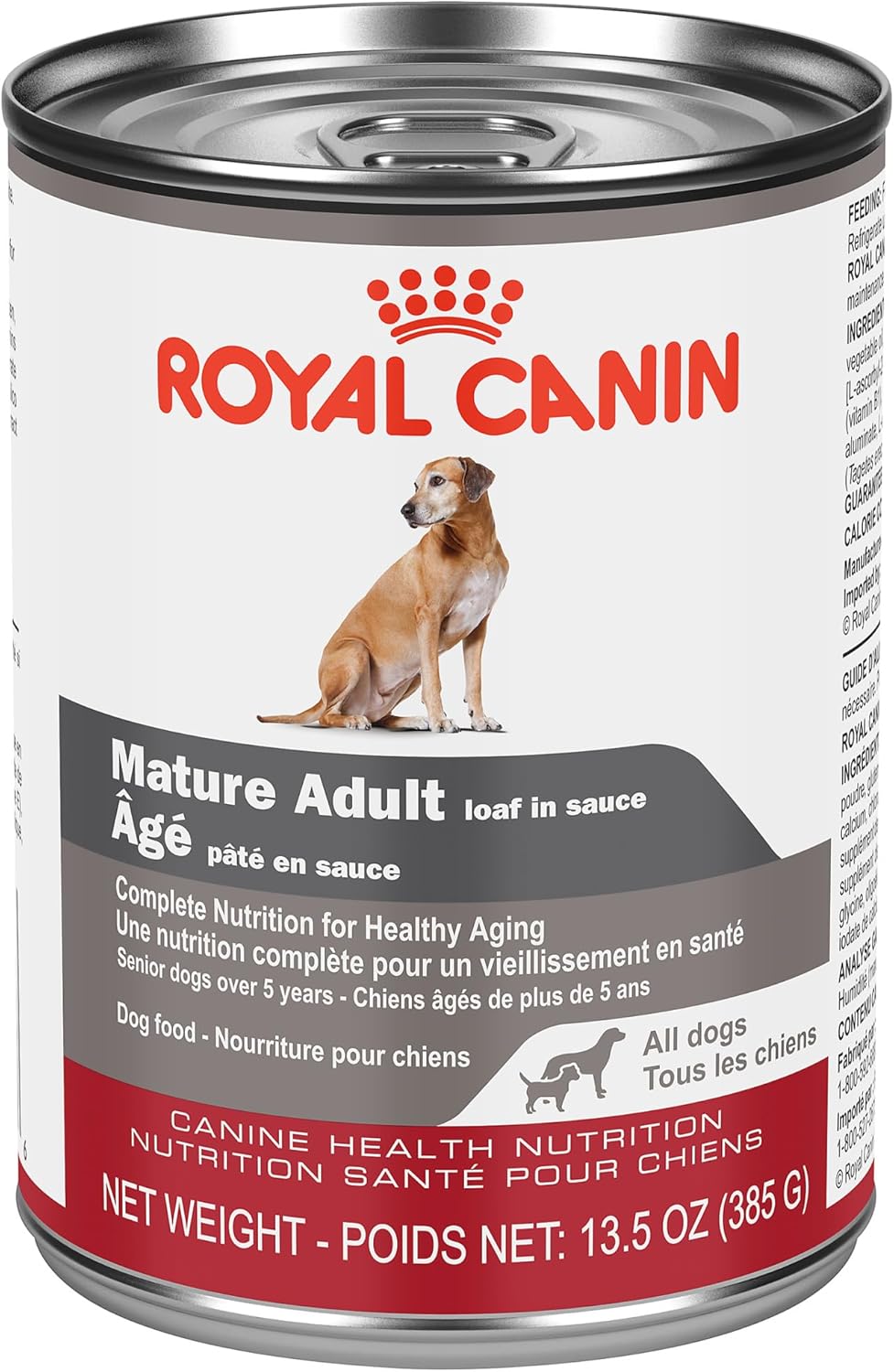 Wet Food (Canned) Royal Canin Canine
 Wet Food (Canned) CESAR Classic Loaf in Sauce Wet Dog Food
 Wet Food (Canned) Blue Buffalo Homestyle Recipe Chicken & Beef
Meal Frequency and Routine: Most adult dogs thrive on two meals per day (morning and evening), while puppies need three to four smaller meals spread throughout the dayvcahospitals.com. Feeding on a consistent schedule in a quiet area helps your dog digest better and feel secure. Always provide access to clean, fresh water at all times, especially if you feed dry food. Monitor your dog’s weight and body condition; adjust portions if you notice unintended weight gain or loss. Introduce any new food gradually over several days to prevent digestive upsets. And as tempting as those puppy-dog eyes can be, avoid feeding table scraps or overly salty and fatty “people food” – not only can they upset your dog’s stomach, but some human foods (like chocolate, grapes, or anything containing the sweetener xylitol) are toxic to dogs.
Tips for a Healthy Diet:
- Serve measured portions to prevent overfeeding; use your dog’s weight and the food’s feeding guidelines as a starting point.
- No to Scraps: Skip the greasy leftovers and salty snacks – they can cause gastrointestinal issues or pancreatitis in dogs. Instead, use vet-approved treats or healthy options (like small pieces of carrot) for rewards.
- Introduce new diets gradually. If you switch foods, mix a small amount of the new food with the old, increasing the new food ratio over 1–2 weeks to help your dog adjust without digestive issues.
- Watch your dog’s body condition. You should be able to feel (but not see) their ribs and see a tucked-up waist. If your dog is getting too round or too skinny, adjust food amounts and consult your vet.
- Consider your dog’s specific needs. Dogs with allergies or medical conditions may require special diets (sensitive skin formulas, renal diets, etc.). Always consult a veterinarian if you think your dog might need a special diet or supplements.
Exercise: Move to Stay Fit
A young dog bounding across the grass in play. Regular exercise keeps dogs physically fit and mentally happy. Regular physical activity is vital for maintaining a healthy weight, stimulating your dog’s mind, and preventing boredom-related behavior problems. The amount and type of exercise a dog needs will depend on their breed, age, and energy level:
- Small Breeds & Senior Dogs: Short, gentle walks are perfect for tiny dogs and older dogs with limited endurance. Several brief outings a day, along with some indoor play (tug or interactive toys), can keep them happy without overexertion.
- High-Energy and Sporting Breeds: Dogs like Retrievers, Collies, Huskies, and other active breeds thrive on vigorous exercise. Long daily walks or runs, hikes, games of fetch, and even dog sports (agility, frisbee, flyball, canicross, etc.) will help burn off their abundant energy. Giving these dogs “a job” or training them in advanced tricks can also provide mental stimulation.
- Puppies: Young pups have lots of energy but little stamina. They do best with multiple short play sessions throughout the day. Play fetch in a hallway, let them romp with toys, or have a supervised playdate with a gentle adult dog. Avoid forced running or jumping from heights while puppies are growing – their joints are still developing.
How Much & How Often: As a general rule, adult dogs should get at least 30–60 minutes of exercise per day, whether it’s a walk or active playtime. Many dogs are happy to do more if you have time, and highly active breeds may need up to 1–2 hours daily. This can be split into two sessions (morning and evening) to fit your schedule. Pay attention to your individual dog’s cues – a tired dog will start to slow down or may plop down during a walk. On the other hand, if your dog is pestering you for attention or getting into mischief, that could be a sign they need more exercise and mental engagement. Adjust the routine as needed: for example, a quick midday walk or some evening fetch in the yard can work wonders for a bored dog. Always increase exercise gradually if your dog is not used to strenuous activity, and be mindful of weather (avoid heavy exercise in extreme heat or cold, and provide water breaks).
Benefits of Regular Exercise:
- Prevents Obesity: Activity helps burn calories, keeping your pup at a healthy weight and reducing the risk of weight-related diseases. Fit dogs are less prone to joint problems, diabetes, and heart disease.
- Reduces Stress & Boredom: A well-exercised dog is usually calmer at home. Physical activity and play release pent-up energy and stress. This means fewer behavioral issues like excessive barking, chewing, or digging that often stem from boredom or anxiety.
- Improves Bond & Socialization: Exercising with your dog – whether it’s walking in the neighborhood or playing at the dog park – strengthens your bond. It’s quality time together. Plus, encountering new sights, smells, people, and other dogs during outings provides valuable socialization and enrichment for your dog.
Veterinary Care: Prevention & Routine Check-Ups
Regular veterinary care is a key habit that keeps your dog healthy throughout life. Preventative care can catch health issues early and ensure your dog stays up-to-date on important protections like vaccines and parasite prevention.
- Vaccinations: Dogs should receive core vaccines that protect against widespread, dangerous diseases such as parvovirus, distemper, adenovirus (hepatitis), and rabies. Puppies get a series of booster shots in their first few months, and adult dogs need regular boosters (often yearly or every 3 years for certain vaccines like rabies, depending on local laws and vet advice). Non-core vaccines (like Lyme disease, leptospirosis, or kennel cough) may be recommended based on your dog’s lifestyle and region – discuss these with your vet.
- Parasite Prevention: Consistent prevention is far easier and safer than treating an infestation. Give your dog preventative medication for fleas and ticks, especially during warm months or year-round in warmer climates. In many areas, heartworm prevention (a monthly pill or chew, or annual injection) is crucial to protect against a deadly parasite spread by mosquitoes. Don’t forget periodic deworming or fecal exams for intestinal parasites as well. These treatments keep your dog parasite-free and also protect your family from zoonotic pests.
Routine Wellness Exams: Even if your dog seems perfectly healthy, plan for a vet check-up at least once a year for adultsvcahospitals.com. Puppies should see the vet more frequently (for vaccinations and growth check-ins), and senior dogs or those with chronic conditions benefit from biannual exams. At a wellness visit, the vet will do a nose-to-tail examination: checking teeth and gums, listening to the heart and lungs, feeling the abdomen, inspecting the skin and coat, and more. They may recommend routine blood tests to screen for hidden issues. These yearly exams help catch problems early – for example, discovering a developing dental issue, detecting a heart murmur, or noting weight changes. Early detection often means easier and more effective treatment.
Preventive Healthcare Tips:
- Spay/Neuter: Unless you plan to responsibly breed your dog, spaying (for females) or neutering (for males) is highly recommended. Beyond preventing unwanted litters, sterilization has health benefits: it can reduce the risk of certain cancers and uterine infections in females and lowers incidence of prostate issues and some cancers in males. It may also mellow out hormone-driven behaviors.
- Dental Care: Dogs are prone to gum disease and tooth decay, which can affect overall health. Routine dental cleanings at the vet (under anesthesia) may be advised, especially for small breeds or older dogs. Signs of dental trouble include bad breath, difficulty eating, or red gums. Brushing your dog’s teeth at home (see the grooming section) can greatly slow tartar buildup.
- Microchipping & ID: Ensure your dog always has identification. A microchip (a tiny permanent ID inserted under the skin by your vet) is one of the best ways to be reunited if your dog ever gets lost. Keep your contact information updated in the microchip registry. Also use a collar tag with your phone number as a visible form of ID.
- Know Your Dog: You see your dog every day, so you’re the first line of defense in noticing health issues. Watch for changes like appetite loss, vomiting, diarrhea, coughing, limping, excessive scratching, or changes in thirst or urine. If something seems off for more than a day or two, don’t hesitate to call your vet for advice.
By staying on top of vet care, vaccinations, and preventative meds, you’ll greatly increase the chances of your dog living a long, disease-free life. Your veterinarian is your partner in keeping your best friend healthy – regular communication and visits are a habit every responsible dog owner should cultivate.
Hygiene and Grooming: Keeping Your Dog Clean and Comfortable
A dog getting a bath as part of its grooming routine. Regular coat and body care keep your dog comfortable and looking their best. Grooming isn’t just about having a pretty pup – it’s an important health habit. Keeping your dog’s coat, skin, teeth, and nails in good condition will prevent many problems and help you spot issues early. Grooming routines will vary based on your dog’s breed and coat type, but here are the fundamentals:
Brushing: Regular brushing removes loose fur and prevents mats (tangled clumps of hair) in longer coats. It also distributes natural oils in the skin, which keeps the coat shiny and healthy. Long-haired or double-coated breeds (like Collies or Huskies) benefit from daily brushing or at least several times a week. Short-haired breeds might be fine with a quick brush once a week to remove dirt and stray hairspetmd.com. Use a brush or comb suited to your dog’s coat type (slicker brushes for long hair, bristle brushes for smooth coats, undercoat rakes for heavy shedders, etc.). Brushing is a great way to bond with your dog – be gentle and make it a positive experience with praise or the occasional treat.
Bathing: Most dogs do not need frequent baths; in fact, over-bathing can dry out the skin and strip the coat’s oils. In general, a bath every 2–3 months is plenty for a typical dog, unless they get into something dirty or smelly. Use a shampoo made for dogs (human shampoos can irritate a dog’s skin due to different pH levels). When bathing, use lukewarm water and rinse thoroughly to remove all shampoo residue. Towel-dry your dog afterward and, if they tolerate it, you can use a low-heat blow dryer (keep it moving to avoid hot spots on the skin). For dogs with skin conditions or allergies, your vet might prescribe a special medicated shampoo – always follow their guidance on bathing frequency in those cases. And remember to never leave your dog unattended in a bath.
Other Grooming Tasks:
- Teeth Cleaning: Just like us, dogs benefit from regular toothbrushing to prevent plaque and tartar. Aim to brush your dog’s teeth 2–3 times a week (daily is ideal) using a dog-specific toothbrush or finger brush and dog-safe toothpaste (often flavored like poultry or peanut butter – never use human toothpaste, as ingredients like fluoride can be toxic to dogs). Brushing reduces the buildup of tartar which can lead to gum disease and tooth loss. If your dog absolutely won’t allow brushing, dental chews or additives for water can help, but note these are not as effective as brushing.
- Ear Care: Check your dog’s ears weekly, especially if they have floppy ears or love swimming. Healthy ears should be clean and odorless. Wipe the visible part of the inner ear gently with a cotton ball or soft cloth moistened with a dog ear cleaner (do not use cotton swabs down in the ear canal). After baths or swims, dry your dog’s ears carefully to prevent moisture-related infections. If you notice redness, a foul smell, or excessive debris, your dog may have an ear infection – time for a vet visit.
- Nail Trimming: Keeping nails at a proper length is important for your dog’s comfort and mobility. Long nails can snag on things or cause your dog to walk awkwardly, and they’re at risk of breaking (which is painful). Trim your dog’s nails about once a month, or whenever you hear them clicking loudly on the floor. Use a sharp dog nail clipper or grinder, and trim just the tip to avoid cutting the quick (the sensitive blood vessel inside the nail). If you’re unsure, a groomer or vet tech can show you how, or you can have them do it. Dogs that exercise a lot on hard surfaces may wear down their nails naturally and need less frequent trims.
By making grooming a habit, you not only keep your dog looking and smelling nice, but you also become familiar with their body. You’re more likely to notice lumps, skin irritations, or parasites (like ticks or fleas) during these sessions. Always reward your dog after grooming – a small treat or a favorite game will help them associate grooming with positive outcomes.
Sleep and Rest: A Fundamental Need
A Labrador retriever snoozing comfortably in its dog bed. Dogs need plenty of sleep to stay healthy, especially as puppies. Sleep is just as important for dogs as it is for humans. In fact, dogs spend a large portion of the day sleeping or resting. Ensuring your dog gets adequate, quality sleep is a habit that will contribute to their overall health and mood.
How Much Dogs Sleep: Adult dogs sleep on average 12–14 hours per day, which often surprises people. This total includes nighttime sleep and daytime naps. Puppies, however, are growth machines and need even more rest – they can sleep 15–20 hours a day! Senior dogs also tend to snooze longer as they slow down. If your adult dog is sleeping significantly more than ~14 hours a day, pay attention to their behavior when awake: lethargy or disinterest in things they used to enjoy could signal an underlying issue that warrants a vet check. But for most dogs, long naps (especially after play sessions) are completely normal.
Creating a Restful Environment: Give your dog a comfortable, quiet place to sleep. This could be a cozy dog bed, a crate with soft bedding (if your dog is crate-trained and likes it), or a designated spot on the couch – whatever works for your household. Place the bed somewhere that’s not in the path of household traffic and is free from drafts. Many dogs like a bed that feels “cave-like,” so consider those with bolstered sides or even a covered pet bed. Teach children not to disturb the dog when they’re in their bed or resting; dogs, like people, can be startled and grumpy if abruptly woken from a deep sleep.
Establish a routine for nighttime: dogs are creatures of habit and will adapt to the family’s schedule. If you have a consistent bedtime routine (late-night potty break, then lights out), your dog will learn that it’s time to settle in for the night. Puppies may need a little help figuring out nighttime – keeping the house dark and quiet and providing a warm, safe sleeping area will encourage them to sleep through the night.
Adequate rest is crucial for a dog’s development and well-being. During sleep, a dog’s body repairs itself and consolidates memories (training or experiences from the day). You might notice your dog “running” or softly barking in their sleep – this is normal and likely means they’re dreaming! Let sleeping dogs lie, as the saying goes, and they’ll wake up refreshed and ready for the next adventure.
Socialization and Mental Stimulation: Keys to a Well-Adjusted Dog
Two dogs joyfully playing together outdoors. Positive interactions with other dogs and people from a young age help develop a friendly, confident pet. Dogs are social creatures by nature – they thrive on companionship and interaction. Socialization refers to the process of exposing your dog to a variety of people, animals, environments, and experiences in a positive way, especially during puppyhood. Along with socialization, providing mental enrichment through play and training is equally important for a balanced, happy dog.
Early Socialization: The most critical window for puppy socialization is roughly 3 to 12 weeks of age. During this period, puppies are especially open to new experiences. Safe, positive encounters in this phase help them grow into confident adult dogs. Puppies that aren’t socialized may become fearful or anxious in unfamiliar situations and are more likely to develop behavior problemspetmd.com. If you have a young puppy, introduce them gradually to different people (men, women, kids) and friendly, vaccinated dogs. Encourage gentle encounters – perhaps invite a friend with a calm dog over for a playdate, or take your puppy to a supervised puppy socialization class. Expose them to various sights and sounds too: different floor surfaces, the sound of the vacuum, car rides, people wearing hats or uniforms, etc. Always pair new experiences with praise and rewards (treats or favorite toys) to build a positive association. Important: Until puppies complete their initial vaccination series, avoid high-risk areas like public dog parks or streets where unknown dogs frequent – carry your pup or use a stroller if you want to let them observe a busy environment. You want to balance social exposure with health safety for those early weeks.
Ongoing Social Interactions: Socialization doesn’t end after puppyhood. Continue to give your dog opportunities to meet new dogs and people throughout their life to reinforce their social skills. Arrange play sessions with other friendly dogs if possible – many dogs love having a canine friend to romp with. Observe dog body language during play: it should be mutual and bouncy, with play-bows and loose movements. Intervene if play gets too intense or one-sided. Not every dog is a dog-park dog, but if yours is social, occasional visits to a well-managed dog park (where owners supervise and dogs are generally well-behaved) can be a fun outlet. For dogs who are more people-focused, outings to pet-friendly stores or cafes can provide valuable stimulation. The goal is to keep your dog comfortable with the wider world so they don’t develop fear or aggression toward strangers or other animals.
Interactive Play and Enrichment: Keeping your dog mentally stimulated is just as important as physical exercise. Bored dogs can become destructive or anxious. Integrate the following activities into your routine:
- Fetch and Tug: Many dogs love games like fetch, frisbee, or a good game of tug-of-war. These games not only tire them out physically but also reinforce obedience and trust (e.g. fetching back to you, releasing the toy on command). Always use durable dog toys for these games and play in a safe area.
- Chew Toys and Puzzles: Dogs have a natural urge to chew, so provide appropriate chew toys or bones (rubber toys, nylon bones, bully sticks, etc. – choose size-appropriate and safe options). Chewing is relaxing for dogs and can help reduce stress. Food-dispensing puzzle toys (like a Kong filled with a bit of peanut butter or a treat-dispensing ball) are fantastic for engaging your dog’s mind. They’ll stay busy figuring out how to get the food out, which fights boredom and can build problem-solving skills.
- Positive Training Sessions: Short training sessions using positive reinforcement (rewarding desired behaviors with treats, praise, or play) are mentally enriching and strengthen your bond. Practice basic obedience (sit, stay, come) and then teach fun tricks or even advanced skills. Most dogs absolutely love training when it’s upbeat and rewarding – it gives them a job and they enjoy making you happy. Even a few minutes a day of training games can make a big difference.
Beyond these, consider activities like agility (obstacle courses for dogs), nose work (scent games where the dog has to find hidden treats or specific scents), or even just rotating their toys to keep things “new.” Mental exercise can tire a dog out as much as a long walk!
Family and Home Life: Being part of your “pack” is everything to your dog. Include them in family activities whenever feasible – let them hang out in the same room with you, take them along on dog-friendly outings, and show them affection daily. Dogs that are left alone for long stretches regularly can become anxious or depressed. If your schedule requires you to be away often, consider options like a dog walker, doggy daycare a few times a week, or interactive cameras/treat dispensers that allow you to check in on them. When you are home, make time for cuddles or calm together time in addition to active play. Some dogs love to just curl up at your feet while you read or watch TV – that closeness makes them feel secure and loved. By socializing your dog and involving them in your life, you’ll nurture a confident, well-adjusted companion who can handle new experiences without fear.
Signs of a Healthy Dog
How do you know your dog is truly healthy? There are many indicators you can observe. A healthy dog will show it through their appearance, habits, and behavior. Here are some signs of good health to watch for:
A golden retriever with a glossy coat, clear eyes, and a happy expression – a picture of canine health. Physical Signs:
- Shiny Coat & Healthy Skin: The fur should be clean and shiny (except in naturally coarse-haired breeds) with no bald patches or excessive dandruff. Healthy skin is supple and free of redness or strong odor. A dull coat or lots of scratching could indicate issues like allergies or poor diet.
- Bright, Clear Eyes: Your dog’s eyes should be clear, bright, and free of discharge. The whites of the eyes shouldn’t be yellow or bloodshot, and the area around the eyes shouldn’t be inflamed. A small amount of tear staining can be normal in some breeds, but excessive tearing or any cloudiness should be checked by a vet.
- Clean Teeth & Fresh Breath: While doggy breath isn’t minty-fresh, it shouldn’t be truly foul, which can signal dental disease. Healthy gums are pink (or pigmented dark in some breeds) and free of heavy tartar. Teeth should be relatively clean and intact. Regular chewing and tooth brushing help maintain this.
- Fit Body Condition: You should be able to feel your dog’s ribs with light pressure and see a visible waist tuck behind the ribs when viewed from above. An overweight dog will have no waist and you won’t feel ribs, whereas an underweight dog’s ribs and backbone might be too prominent. A stable weight appropriate for their size/breed is a good sign that diet and exercise are on track.
- Strong Mobility: Healthy dogs move with ease. They should walk, run, and jump without limping or stiffness (allowing for some slowing down in older dogs). They should also be able to rise from lying down without struggle. If your dog shows reluctance to move, or has trouble with stairs or getting up, it could signal pain (commonly arthritis in seniors) or injury.
Behavioral Signs:
- Good Energy & Engagement: A healthy dog is interested in life. They will show curiosity in their environment, enjoy playtime, and wag their tail or perk up when you offer a walk or a toy. They might not be bouncing off the walls (especially older dogs who have calmer energy), but they should show general enthusiasm for their favorite activities.
- Regular Sleep Patterns: While dogs sleep a lot, a healthy dog will have regular wake/sleep cycles and should be alert during their awake times. They can relax calmly when nothing is happening, but will wake up readily and be responsive to stimulation (like the leash jangling or a knock at the door).
- No Extreme Behavior Changes: Every dog has a unique personality, but sudden changes can indicate a problem. A generally friendly dog who becomes aggressive or a confident dog who becomes fearful might be signaling that they’re unwell or stressed. Healthy dogs, when properly socialized and trained, typically do not exhibit unexplained aggression, excessive whimpering, or destructive behaviors out of the blue. (If you notice changes, consider potential sources: a health issue, a change in household, lack of exercise, etc., and consult your vet or a behaviorist as needed.)
- Good Appetite and Digestion: Most healthy dogs are eager for mealtime and will eat with gusto (unless they’re picky by nature). They should have regular digestion and bowel movements. Stools should be well-formed and moist but not runny. An occasional bout of soft stool or a skipped meal can happen, but anything persistent (like chronic diarrhea, vomiting, or refusal to eat) is a red flag. A healthy dog also urinates normally (clear to light yellow urine) without accidents in the house, assuming they’re house-trained and given appropriate bathroom breaks.
Knowing what’s normal for your dog is important. Regularly observe their body and behavior so you can quickly spot when something is off. Early intervention can make a big difference if health issues arise. When in doubt, never hesitate to reach out to your veterinarian for guidance.
Tips for Establishing Good Habits
Starting and maintaining these healthy habits might feel overwhelming at first, but consistency is key. Here are some tips to help you and your dog succeed in living the healthiest life possible:
- Start Early: Begin training and establishing routines as soon as you bring your dog home, whether they’re a puppy or an adult rescue. Dogs are learners at any age, but habits form more easily when started early. For example, acclimate a puppy to tooth brushing and nail trimming in a gentle way so they accept it as they grow.
- Be Consistent and Patient: Dogs thrive on routine and clear expectations. Try to keep feeding, walks, playtime, and bedtime around the same times each day. Use the same commands for cues (e.g., “down” for lie down, not a mix of “down” and “lay”). Everyone in the household should stick to the same rules; if the dog isn’t allowed on the couch, ensure all family members enforce that. Remember that it takes time for habits to form – be patient and positive during the learning process.
- Use Positive Reinforcement: Encourage the behaviors you want with rewards. When your dog follows the routine or behaves well, praise them, give a treat, or initiate a fun play session. This could mean a treat for sitting calmly before a meal, or a belly rub for settling quietly in their bed at night. Rewarding good habits makes them more likely to stick. Avoid harsh punishments for missteps; instead, redirect and show your dog what you’d like them to do instead.
- Adapt to Life Changes: Changes like a new baby, moving to a new home, or shifts in work schedule can disrupt a dog’s routine. When life changes happen, try to gradually introduce the new normal. Keep as many old routines intact as possible (maybe your walks happen at a new time, but still happen daily). If your dog is aging or has developed a health issue, adjust exercise intensity, diet, and home accommodations (like adding ramps if they can’t do stairs). Flexibility and understanding on your part will help your dog adjust to transitions more smoothly.
- Educate Yourself: Nobody expects you to know everything about dog care from the get-go. Don’t hesitate to seek advice from professionals – veterinarians for health and nutrition questions, certified dog trainers or behaviorists for training and behavioral concerns, and groomers for coat and nail care tips. There are also many reputable books, websites, and even dog owner forums where you can learn and ask questions. Staying informed about canine health and behavior will make you more confident in providing the best care.
- Love and Attention: This might sound obvious, but it’s worth emphasizing. Spend quality time with your dog every day, whether it’s playing, training, cuddling, or just talking to them. The more attentive you are, the quicker you’ll notice if something seems off with their health or mood. Your dog can’t voice their needs or ailments, so your attentiveness is how their needs get met. Plus, a dog that feels loved and secure will have an easier time learning and adhering to the routines you establish.
By following these tips, you’ll create a strong foundation of trust and understanding with your dog. Good habits will become second nature for both of you, leading to a harmonious life together.
Conclusion: For a Long, Happy Life Together
Cultivating good habits in your dog is truly the secret to a long, healthy, and happy life by your side. By providing a balanced diet, plenty of exercise, regular vet care, proper grooming, sufficient rest, and lots of positive social interaction, you are covering all the fundamental needs of your canine companion. These efforts pay off in the form of a dog who is not only healthier but also better behaved and more enjoyable to be around – a true family member.
Remember that each dog is an individual. What works for one might need tweaking for another. Stay observant and attuned to your dog’s needs as they age or as circumstances change. The journey of caring for a dog is one of continuous learning and adjustment. Embrace it with an open heart and patience.
In return for your dedication, you’ll be rewarded with unconditional love, loyalty, and countless joyful moments. There’s nothing quite like the tail-wagging excitement of a dog who feels well-cared for and loved. By prioritizing these healthy habits, you’re not just preventing problems – you’re actively creating a life for your dog that is rich, secure, and filled with happiness. Here’s to you and your four-legged friend enjoying many wonderful years and adventures together!
🐶 Product Descriptions
KONG ZoomGroom Dog Grooming Brush
Keep your dog’s coat shiny, healthy, and free of loose fur.
 KONG ZoomGroom Dog Grooming Brush
The VOLUEX Dog Nail Grinder, Upgraded 2-in-1 Dog Nail Clippers Electric Pet Nail Trimmer with LED Light is a soft yet highly effective grooming tool designed for dogs of all coat types. Its rubber bristles gently massage your dog’s skin while removing dead hair and stimulating natural oil production for a healthy, glossy coat. Unlike traditional brushes, the ZoomGroom also doubles as a de-shedding tool and a calming massager, making grooming time enjoyable.
Key Benefits:
- Removes loose fur and reduces shedding.
- Gentle massage improves circulation and relaxes your dog.
- Easy to hold, even during bath time.
- Safe for puppies, adults, and senior dogs.
✅ Perfect for weekly grooming sessions to keep your dog’s skin and coat in top shape.
🧴 Wahl Odor Control Dog Shampoo
Gentle cleansing, long-lasting freshness.
 Wahl Odor Control Dog Shampoo
The Wahl Odor Control Shampoo is specially formulated for dogs with sensitive skin. Infused with eucalyptus and spearmint, it provides a deep clean while neutralizing odors naturally. Its concentrated formula means you only need a small amount per bath, making it cost-effective. Free from harsh chemicals, this shampoo keeps your dog’s skin hydrated and coat soft.
Key Benefits:
- Eliminates unpleasant odors and leaves a fresh scent.
- pH-balanced for dogs, gentle on sensitive skin.
- Free of alcohol, parabens, and PEG-80.
- Highly concentrated formula lasts longer.
✅ Use every 2–3 months or after muddy adventures to keep your pup clean and smelling great.
✂️ VOLUEX Dog Nail Grinder, Upgraded 2-in-1 Dog Nail Clippers Electric Pet Nail Trimmer with LED Light, Professional Safe Paws Grooming & Smoothing for Large, Medium, Small Dogs & Cats
Safe, precise trimming for healthy paws.
 VOLUEX Dog Nail Grinder, Upgraded 2-in-1 Dog Nail Clippers Electric Pet Nail Trimmer with LED Light
The VOLUEX Dog Nail Grinder, Upgraded 2-in-1 Dog Nail Clippers Electric Pet Nail Trimmer with LED Light makes trimming your dog’s nails easy and safe. Its sharp stainless-steel blades deliver a clean cut without crushing, while the built-in safety guard prevents over-cutting and injuring the quick. Designed with non-slip handles, it ensures comfort and control during grooming.
Key Benefits:
- Sharp, durable stainless-steel blades.
- Safety guard protects against cutting too short.
- Ergonomic grip for steady handling.
- Suitable for small to large breeds.
✅ Trim nails once a month or as needed to maintain comfort and prevent painful splits.
🧩 Outward Hound Nina Ottosson Brick Puzzle Toy
Challenge your dog’s brain with interactive play.
 Outward Hound Nina Ottosson Brick Puzzle Toy
The Outward Hound Nina Ottosson Brick Puzzle Toy is a best-selling interactive toy designed to keep your dog mentally stimulated. With sliding tiles and removable bone-shaped covers, you can hide treats inside and encourage your pup to figure out how to access them. It’s the perfect boredom-buster for rainy days or high-energy dogs that need mental enrichment.
Key Benefits:
- Encourages problem-solving and mental exercise.
- Keeps dogs occupied and reduces destructive behavior.
- Adjustable difficulty levels to suit beginners or advanced dogs.
- Made from safe, durable materials.
✅ Great for dogs of all ages – from curious puppies to senior dogs needing mental stimulation.
🐕 BoneItUp Interactive Dog Puzzle Toy
Keep your dog sharp, engaged, and rewarded.
 BoneItUp Interactive Dog Puzzle Toy
The BoneItUp Interactive Puzzle Toy combines fun and training into one enriching game. Designed with compartments and hidden treat slots, it challenges your dog to sniff, paw, and nudge to find their reward. With multiple difficulty levels, you can adapt the challenge as your dog improves, making it an excellent long-term enrichment tool.
Key Benefits:
- Adjustable puzzle levels keep dogs engaged.
- Promotes slower eating and prevents gulping.
- Strengthens problem-solving skills.
- Reduces boredom and anxiety when left alone.
✅ Ideal for dogs that need extra mental stimulation and love working for treats.
🛏️ Bedsure Orthopedic Dog Bed
Comfort and support for restful sleep.
 Bedsure Orthopedic Dog Bed/strong>
The Bedsure Orthopedic Dog Bed is designed to give dogs of all ages the ultimate comfort, especially seniors or breeds prone to joint problems. Made with high-density egg-crate foam, it distributes weight evenly to reduce pressure on joints and bones. Its removable, washable cover keeps it fresh and clean, while the non-slip bottom ensures stability on any floor.
Key Benefits:
- Orthopedic support reduces pain from arthritis and hip dysplasia.
- Soft, plush cover for cozy comfort.
- Machine-washable cover for easy cleaning.
- Available in multiple sizes for small to large dogs.
✅ Perfect for ensuring your dog gets 12–14 hours of quality sleep daily.
References
https://vcahospitals.com/
know-your-pet/nutrition-general-feeding-guidelines-for-dogs