Immune Booster for Dogs: Strengthening
Mastering Dog Behavior
Your Guide to a Harmonious Home
Bringing a dog into your life fills your home with joy, laughter, and unconditional love. However, even the best-behaved pups can exhibit challenging behaviors at times. From persistent barking to destructive chewing or separation anxiety, these issues can be frustrating for owners and stressful for dogs. The good news is that understanding why these behaviors occur is the first step toward fixing them. In this guide, we’ll demystify common canine behavior problems, share practical tips to address them, and highlight some top dog behavior products that can help you create a calmer, happier home.
Decoding Why Dogs Misbehave
Often, what we perceive as “bad” behavior is actually a dog’s natural response to stress, fear, or unmet needs. Here are a few common causes of troublesome behaviors:
- Fear and Lack of Socialization: Dogs that aren’t exposed to a variety of people, places, and sounds during puppyhood may grow up fearful of anything unfamiliar. For example, a dog that only encounters strangers at the vet’s office (an often scary experience) might bark or cower when meeting new people elsewhere because they’ve formed a negative association. New experiences must be introduced in a positive way (with treats, praise, and patience) to prevent lasting fears.
- Sensory Overload or Trauma: Loud noises (thunder, fireworks, construction sounds) and chaotic environments can overwhelm a dog’s senses. A single traumatic event – like a very rough trip to the groomer or a loud crash in the house – can create a lingering fear. Dogs have long memories when it comes to scary experiences. That’s why a dog might refuse to go into the kitchen after a pan drops loudly – they’ve associated that place with the frightening noise.
- Underlying Medical Issues: Sometimes, a dog’s behavioral changes are due to pain or illness. An ear infection, dental pain, or arthritis can make a typically friendly dog suddenly irritable or prone to snapping. If your dog’s behavior seems to change out of the blue, it’s wise to rule out a medical cause with your vet before assuming it’s purely behavioral. A healthy dog is a happier, better-behaved dog.
Signs of Stress and Anxiety in Dogs :
It’s crucial to recognize when your dog is stressed or anxious, because they can’t tell us in words. Some common signs of dog stress/anxiety include:
- Excessive Panting or Drooling: If your dog is panting heavily and it’s not hot or after exercise, or if they’re drooling more than usual, it could be a sign of anxiety or nausea.
- Restlessness: Pacing around the room, unable to settle down, or constantly changing lying positions can indicate your dog is on edge.
- Trembling or Shaking: You might notice your dog trembling during fireworks or storms – that’s a clear sign of fear. Some dogs will also tuck their tail or flatten their ears when very scared.
- Vocalizing: Whining, whimpering, or barking persistently (at nothing in particular) can be your dog trying to communicate their distress.
- Destructive Behavior or Toileting Accidents: An anxious dog might chew door frames, scratch at windows, or have “accidents” indoors even if they’re house-trained. These behaviors often happen with separation anxiety – the dog panics when left alone and might urinate due to distress or chew the door in an attempt to follow you.
If you spot these signs, take note of the context. Do they happen only when your dog is alone? During thunderstorms? When meeting new dogs? Identifying the trigger will help you choose the right strategy to help your dog.
How Common Are Dog Anxiety Problems?
You might be surprised – canine anxiety issues are quite common. Studies suggest around 20–30% of dogs show notable signs of anxiety (from mild to severe) at some point. Noise phobias (like thunder or fireworks fear) could affect nearly half of dogs. Unfortunately, many owners try to handle it alone and may not be aware of tools that can help. In one survey, almost 50% of owners with anxious dogs had not sought any professional advice and most weren’t using any calming products or supplements. The takeaway: if your dog has anxiety or behavior issues, you’re not alone, and there are plenty of solutions available once you start looking.
Setting Your Dog Up for Success
The best approach to improving your dog’s behavior is a combination of training, environmental management, and sometimes helpful products. Here’s a roadmap to a better-behaved dog:
Positive Training and Desensitization: For behaviors rooted in fear (like fear of other dogs, loud noises, etc.), gradually desensitizing your dog to the trigger is effective. For example, if your dog is terrified of skateboards, start by having a skateboard stationary on the ground while you give your dog treats and praise, far away from it. Over multiple sessions, inch the skateboard closer, then eventually roll it a little, continuing to reward calm behavior. This teaches your pup that skateboards = good things (treats, fun) and there’s nothing to fear. It takes time and patience, but it works. At the same time, reinforce basic obedience using positive reinforcement. Teach commands like “sit,” “stay,” “come,” and reward your dog generously for compliance. A dog that listens to these commands even in distracting environments is a dog under control – training builds confidence and gives you tools to redirect unwanted behavior.
Create Safe Spaces (Crate & Comfort): As mentioned, a crate can be an invaluable tool when used properly. Dogs are den animals by nature, and many learn to love their crate as a safe retreat. Make the crate comfortable with a soft bed and maybe a piece of your clothing (with your scent) to soothe them. Never force your dog into a crate with anger; instead, encourage them with treats and calm praise. You can also create other safe zones – for example, a quiet corner of a room with their bed and toys . When things get overwhelming (say, you have noisy visitors or there are fireworks outside), guide your dog to their safe spot so they can relax. Some dogs also feel calmer with some “white noise” – a fan or soft music – to buffer scary sounds.
 bed
bed
 toys
toys
Routine & Exercise: Dogs thrive on routine. Try to keep feeding, walks, and playtime on a consistent schedule. This predictability can reduce anxiety because your dog learns to expect what’s next. And don’t underestimate exercise in curbing bad behaviors. A tired dog is a good dog! Pent-up energy can amplify issues – for instance, a bored dog with excess energy is more likely to chew destructively or bark for attention. Adequate daily exercise (both physical and mental, via play and training) will set your dog up to be calmer when at home.
Veterinary Support: If you’ve tried training and environmental changes and your dog is still struggling, talk to your vet. Sometimes short-term medications or supplements can aid training for severe cases. For instance, a vet might prescribe anti-anxiety medication for a dog with extreme phobias, or recommend a supplement like L-tryptophan or melatonin to take the edge off. Always use these under guidance – never give human meds to your dog without vet approval. The goal is to use them as tools while you continue behavior modification training.
 melatonin
Behavior Aid Products – Our Top Picks
In addition to training techniques, there are some fantastic products that can help manage and improve your dog’s behavior:
Calming Chews & Supplements: These are special treats containing natural calming ingredients. They’re great for situational anxiety (like thunderstorms, vet visits, or car rides). For example, Zesty Paws Calming Bites (with L-theanine, chamomile, and melatonin) or Pet Naturals of Vermont Calming Chews (with L-tryptophan and thiamine) can help take the edge off an anxious dog without sedating them completely. Give them about 30 minutes before a stressful event. “Zesty Paws Calming Bites”
 Calming Chews & Supplements
Thundershirt Anxiety Jacket : The Thundershirt is a popular and vet-recommended tool for dogs with anxiety. It’s essentially a snug vest that applies gentle, constant pressure around the dog’s torso, which has a calming effect (similar to swaddling a baby). Many dog owners swear by it for fireworks, thunder, or even general anxiety. It’s easy to use – just wrap it on – and it’s a one-time purchase that can be used over and over. If your dog gets nervous often, this is definitely worth trying.
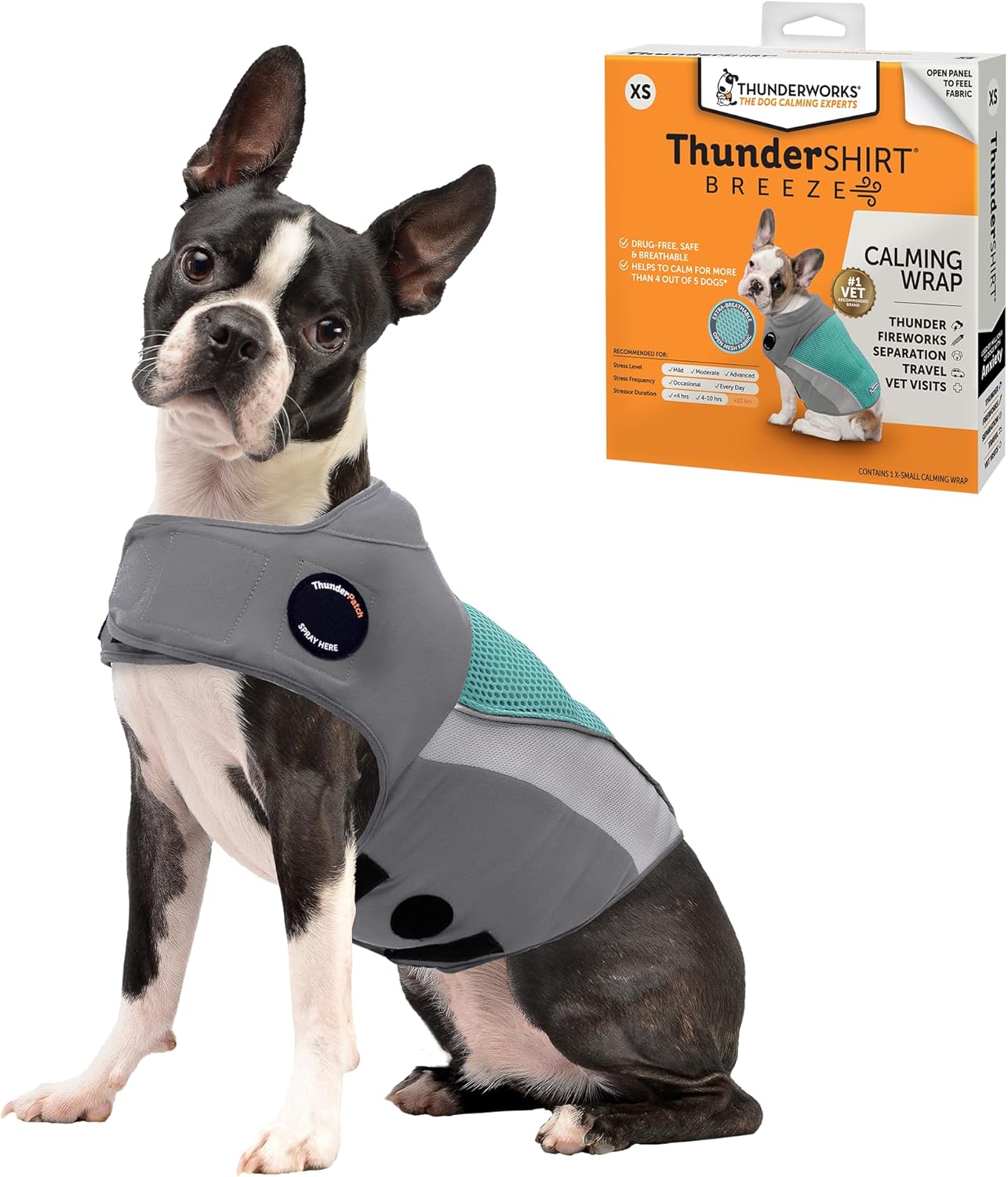 Thundershirt Anxiety Jacket
Pheromone Diffusers (Adaptil): Adaptil is a plug-in diffuser (also comes in a collar or spray) that releases a synthetic version of the calming pheromone that mother dogs produce for their puppies. Humans can’t smell it, but dogs can, and it can help them feel safe and relaxed in the home. It’s subtle but effective for many dogs, especially for general anxiety or when adjusting to a new environment. Just plug it into an outlet in the room where your dog spends the most time. (There are also pheromone collars so the dog carries the calming scent with them.) These are drug-free and have no side effects.
 TopSum Pheromone Diffuser for Dogs: Premium Dog Calming Diffuser – Calming Pheromones for Dogs – Dog Appeasing Pheromone – Pet Calming Diffuser, 2 Pack (MC Lavender)
 Calming Collar for Dogs 4 Pack Dog Calming Collar with Soothing Pheromone for Dog Helps Relieve Anxiety Stress Adjustable for Dogs Long-Lasting 60 Days Pet Calming Collars Grey
Interactive Treat Toys: Believe it or not, one way to curb negative behavior is to keep your dog’s brain busy with something positive. Puzzle toys like a Kong (which you can fill with peanut butter or treats) or treat-dispensing balls can occupy your dog for long periods. This is especially useful for dogs with separation anxiety – giving a stuffed Kong right before you leave the house creates a positive distraction. The dog focuses on getting the yummy treats out instead of panicking about you leaving. By the time they’re done, they’re often more relaxed or even tired. We suggest having a few different puzzle toys and rotating them to keep things interesting.
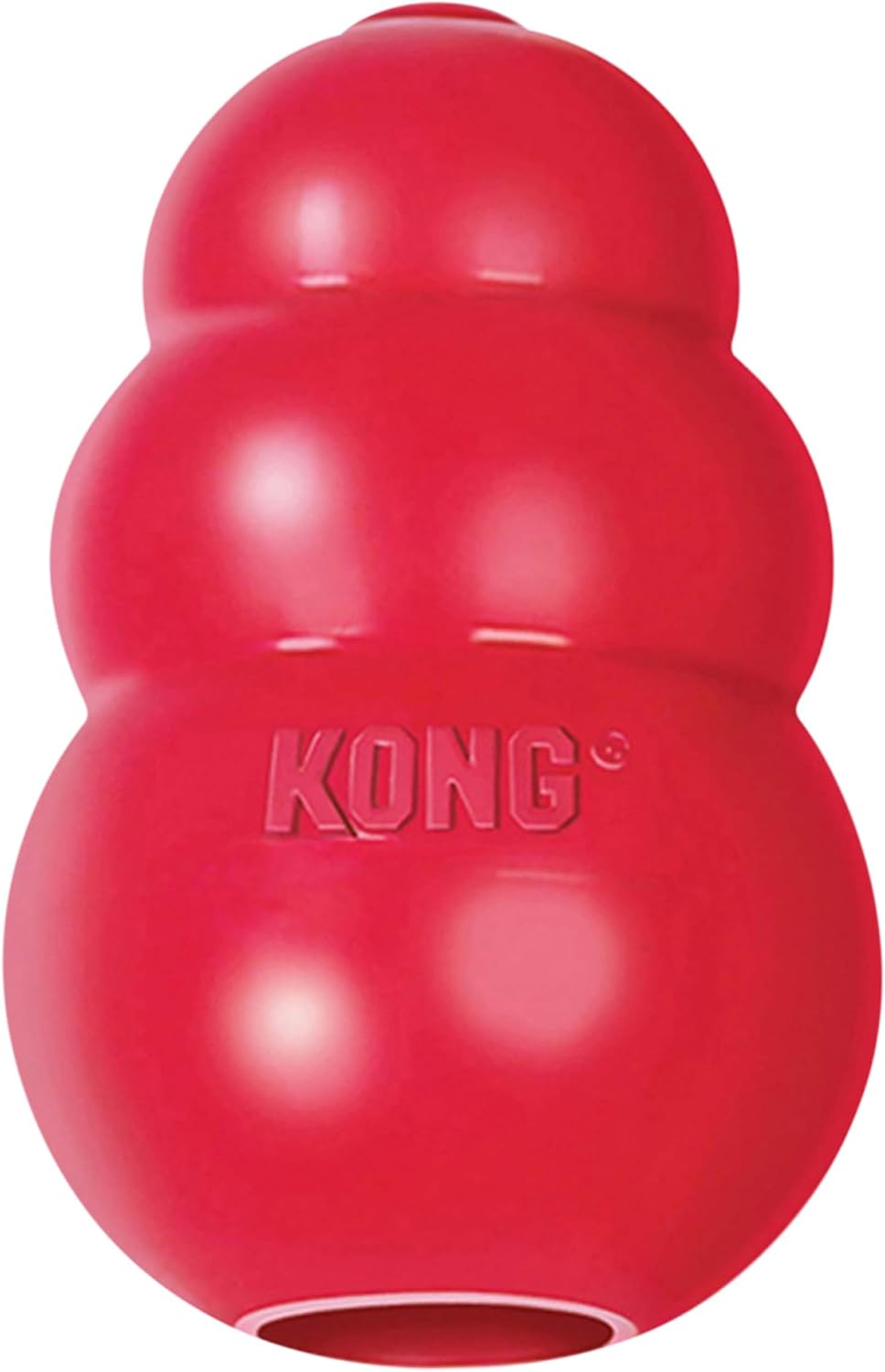 Kong dog toy
Quality Crate & Bedding: As mentioned earlier, a crate is an important training tool and safe space. If you don’t already have one, invest in a well-made crate that’s the right size for your dog. Add comfortable bedding – a crate pad or mat that fits – to make it inviting. Some dogs also like covered crates (you can put a crate cover or blanket over it) because it feels more den-like. Make sure there is still airflow, though. A non-slip crate pad (so they don’t slide if they move around) and maybe a favorite toy inside will encourage your dog to use the crate voluntarily.
 well-made crate
Conclusion: Every dog is different, and there’s no one-size-fits-all solution to behavior issues. The key is patience, consistency, and using the right mix of techniques and tools. By understanding the root causes of your dog’s behavior – fear, boredom, stress, etc. – you can address those needs and help your dog overcome their challenges. Celebrate the small improvements, and don’t be afraid to seek help from a professional dog trainer or behaviorist if you’re feeling stuck; they can offer personalized guidance.
With time and effort, you’ll start to see positive changes: the formerly anxious dog that now relaxes on their bed during a storm, or the once hyperactive pup that can calmly greet visitors. Both you and your dog will benefit from the work you put in. Here’s to a calmer, better-behaved pup and a more peaceful, happy home!
Now, let’s look at some top immune-boosting supplements that can give your dog an extra advantage. These products are especially helpful if your dog has been getting sick often, is recovering from an illness, or you just want to be proactive during allergy or cold season.
Top 5 Immune-Boosting Supplements for Dogs:
NaturVet Mushroom Max Advanced Immune Support Dog Supplement – Helps Strengthen Immunity, Overall Health for Dogs – Includes Shitake Mushrooms, Reishi, Turkey Tail – 60 Ct.
 NaturVet Mushroom Max Advanced Immune Support Dog Supplement – Helps Strengthen Immunity, Overall Health for Dogs – Includes Shitake Mushrooms, Reishi, Turkey Tail – 60 Ct.
Anti-Aging & Immune Support | Organic, Human-Grade Ingredients | Medicinal Plants & Mushroom Extracts | Omega 3’s, Antioxidants, Probiotics, Vitamins & Minerals | Plant-Based & Vegan
Key Ingredients: Organic Spirulina, Organic Astragalus Root, Organic Goji Berries, Organic Ginger Root, Taurine, Reishi Mushroom Extract, Curcumin (Turmeric Extract), Nutritional Yeast (Vitamins B-1, 2, 3, 6, 9 & 12), Zinc, Probiotics, Vitamin D2, Black Pepper Extract (For Increased Bioavailability)
 Anti-Aging & Immune Support | Organic, Human-Grade Ingredients |
Zesty Paws Allergy & Immune Bites – Soft chew treats
Key Ingredients: Colostrum, Probiotics (6-strain blend), EpiCor (fermented yeast extract), Wild Alaskan Salmon Oil (Omega-3s), Astragalus Root, Vitamin C, Quercetin, Bromelain
Overview: Zesty Paws is a popular brand for dog supplements that taste like treats. Their Allergy & Immune Bites are chewable supplements that target both immune function and allergy relief. The formulation is impressive: Colostrum (rich in antibodies) helps strengthen immunity and ease allergy symptoms; EpiCor (fermented yeast) acts as a postbiotic to enhance immune response and gut health; a mix of probiotics supports a healthy gut microbiome (since gut health is closely tied to immune health); Salmon Oil provides anti-inflammatory Omega-3 fatty acids for skin and coat support; and Astragalus root is an herbal immune booster. They also include Quercetin & Bromelain – a natural duo nicknamed “nature’s Benadryl” – to combat histamine release and reduce itching in allergic dogs, plus Vitamin C for extra antioxidant punch.
Why We Recommend It: These chews are our top pick for dogs with allergies or seasonal immune challenges. If your dog has itchy skin, hot spots, or tends to catch colds at the dog park, Zesty Paws Allergy & Immune Bites can be a game-changer. They’re easy and enjoyable to give – no pills, just a tasty chew that most dogs think is a treat. We love that this supplement addresses two needs at once: it helps build a stronger defense against germs while also calming overactive immune responses that cause itching and scratching. Many pet owners report less paw licking, fewer hot spots, and reduced allergy flare-ups after a few weeks on these bites, thanks to ingredients like colostrum and quercetin that help modulate the immune system.
 Zesty Paws Allergy & Immune Bites
VetSmart (Pet Wellness Direct) Critical Immune Defense – Powder (mix with food) or capsules
Key Ingredients: Four medicinal mushrooms (Turkey Tail, Reishi, Shiitake, Maitake), White Turmeric extract (curcumin)
Overview: Critical Immune Defense is a veterinary-strength immune booster from Pet Wellness Direct’s VetSmart line. It combines four powerful mushrooms known for immunity (often used in advanced holistic veterinary care) with concentrated white turmeric (a special form of curcumin). This combo provides a double benefit: the mushrooms supercharge the immune system’s ability to fight off threats, and turmeric reduces inflammation and provides antioxidant support. It’s formulated for both dogs and cats, which is great for multi-pet households. Because it’s very potent, you only need a small scoop added to your dog’s food (or you can give it via capsule).
Why We Recommend It: This is like the heavy artillery of immune supplements. It’s particularly useful for dogs with serious health concerns or weakened immune systems – for example, dogs undergoing cancer treatment, those with autoimmune disorders, or seniors prone to infections. We’ve seen it used (under vet guidance) as part of cancer care plans to help dogs stay stronger during chemotherapy. Owners have reported improvements like better energy, appetite, and even skin condition stabilization when using Critical Immune Defense. One unique thing: since this is a Pet Wellness Direct product, you won’t find it in regular stores – you’ll want to buy it directly from Pet Wellness Direct’s website to ensure you get the genuine product.
NaturVet Aller-911 Immune Chews – Soft chews
Key Ingredients: Antioxidants (Vitamins A, C, E), Omega-3 Fatty Acids (from fish oil), Brewer’s Yeast, plus digestive enzymes and probiotics
Overview: Aller-911 Immune Support chews by NaturVet are formulated to bolster overall immunity and also improve skin & coat health (since often allergies and immune health go hand-in-hand). They contain important antioxidants like Vitamins A, C, and E to neutralize free radicals and support immune cells. Omega-3 fatty acids help maintain healthy skin and reduce inflammation (great for dogs with allergies or dry skin). Brewer’s yeast provides B-vitamins and proteins that can benefit the immune system and skin. Additionally, Aller-911 includes probiotics and digestive enzymes to ensure your dog is absorbing nutrients efficiently – good digestion is key to immunity.
Why We Recommend It: This is a solid everyday immune supplement, especially suited for dogs with allergies or frequent skin issues. It’s not as intensive as some of the mushroom-based or veterinary-targeted supplements above, but it covers the immune bases in a gentle way. Because it also supports skin, coat, and digestion, it’s a nice all-in-one chew for general wellness. Many pet owners use Aller-911 during high-allergy seasons or whenever their dog seems to need an extra boost (like after vaccinations or during seasonal changes). They often report that their dogs have fewer allergy flare-ups and more lustrous coats when on these chews. Plus, NaturVet is a long-standing, reputable brand in the pet supplement space.
 NaturVet Aller-911 Immune Chews
Conclusion:
Keeping your dog’s immune system in top shape can lead to fewer vet visits, a shinier coat, and a more energetic, happy pup. Start with the basics – healthy food, exercise, low stress – and consider adding an immune booster supplement if your dog needs the extra support. Always introduce any new supplement gradually and observe your dog for any changes (good or bad). And remember, when in doubt, ask your veterinarian for guidance, especially if your dog has pre-existing conditions.
By being proactive about your dog’s immunity, you’re helping them fight off illnesses more effectively and live a healthier life. Here’s to a strong immune system and many happy, tail-wagging years ahead!
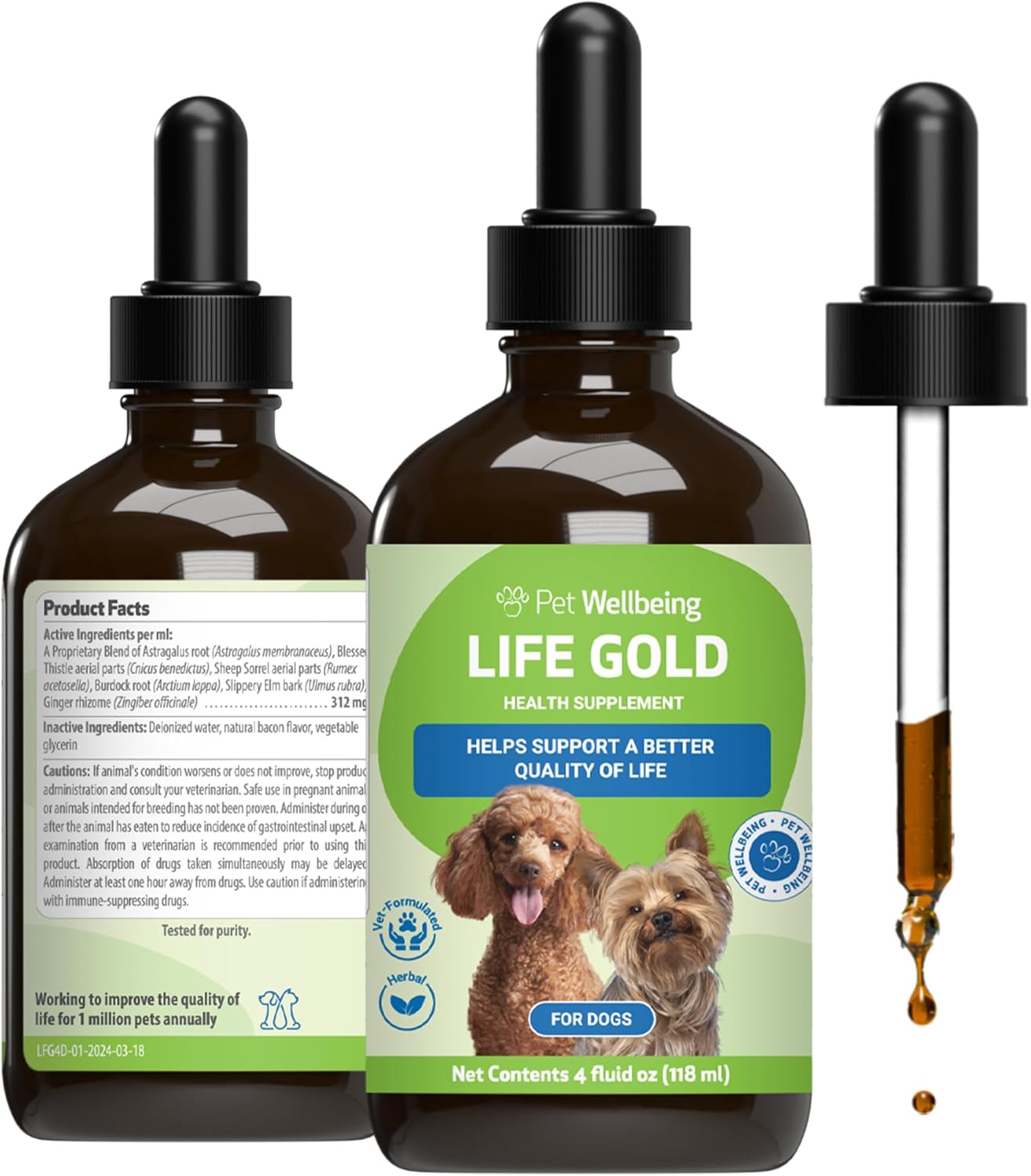
In short, if your dog is dealing with something tough or you just want a top-notch daily tonic for immune maintenance, Life Gold is worth considering. We admire Pet Wellbeing’s commitment to quality – their supplements are made in the USA with organic herbs, and they frequently test for purity. This is a premium product, but given the breadth of what it does (immune support plus antioxidant plus detox), many find it well worth the investment for their beloved pets.
Now that we’ve covered each product in detail, here’s a handy comparison table to summarize the key points and help you decide which immune booster for dogs might be the best fit for your situation:
Comparison Table: Top Immune Boosters for Dogs
Product
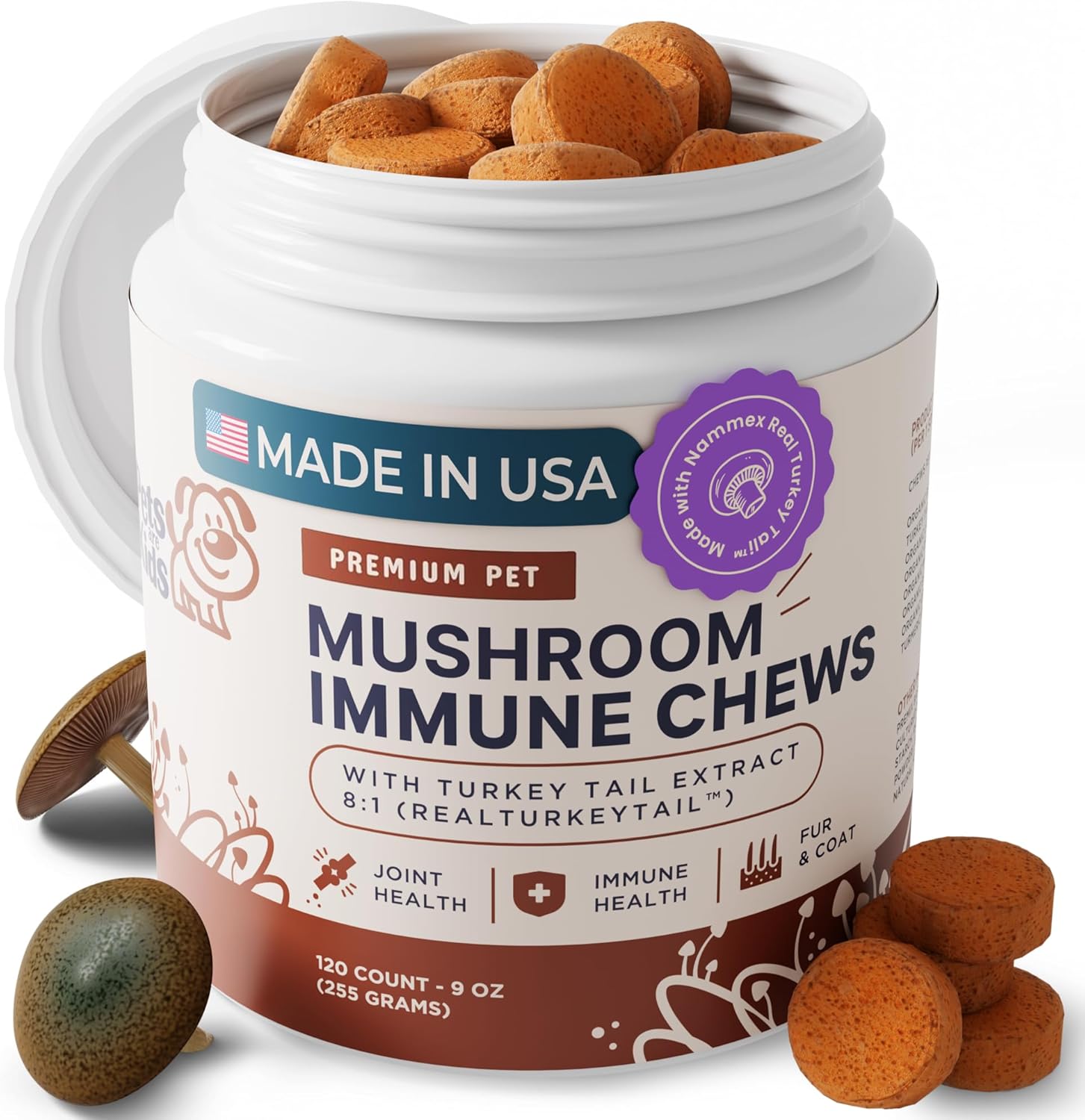
Organic Turkey Tail 8:1 Mushroom Extract
Type & Form
Powder (scoop)
Key Ingredients
Turkey Tail mushroom (high-potency extract) + other mushrooms (Reishi, Shiitake, etc. in some blends)
Best for
Natural immunity boost; dogs needing cancer support or prevention; holistic immune tonic
Product
Zesty Paws Allergy & Immune Bites
Type & Form
Soft chews (treats)
Key IngredientsKey Ingredients
Colostrum, Probiotics, EpiCor Yeast, Salmon Oil (Omega-3), Astragalus, Quercetin, Vitamins C & E
Best for
Allergies + immunity combo; dogs with itchy skin, allergies, or for everyday wellness in treat form

Product
Pet Wellbeing Life Gold
Type & Form
Liquid tincture
Key Ingredients
Herbal blend (Burdock, Sheep Sorrel, Slippery Elm, Turmeric, Milk Thistle, etc.)
Best for
Senior dogs; detox and immune support for chronically ill or recovering dogs; gentle daily tonic
(All the above products are intended as supplements to a healthy diet and lifestyle. Always introduce any new supplement gradually and observe your pet for any adverse reactions. It’s wise to consult with your veterinarian, especially if your dog has underlying health issues or is on medication.)
FAQ: Immune Boosters for Dogs
Q: How can I naturally boost my dog’s immune system?
A: You can naturally boost your dog’s immunity by focusing on the foundations of good health: feed a balanced, high-quality diet rich in protein and antioxidants, ensure your dog gets regular exercise to maintain a healthy weight, and minimize stress in their environment. Providing probiotics or fermented foods (like a bit of plain yogurt) can strengthen gut health, which in turn boosts immunity. Also, make sure your pup is up-to-date on vet checkups and vaccines to prevent diseases. Simple actions like daily playtime, massage, and lots of love also help – a happy, well-cared-for dog’s immune system will be stronger than that of a stressed, neglected dog. Consistency is key; small healthy habits every day add up to a more resilient immune system.
Q: Which supplements can help strengthen my dog’s immune system?
A: Some of the best-known supplements for dog immune health include medicinal mushrooms (such as Turkey Tail, Reishi), which contain beta-glucans that activate immune cells, and Omega-3 fatty acids (fish oil) that reduce harmful inflammation. Probiotic supplements are great for boosting gut-related immunity, and many vets also recommend colostrum, vitamin C, vitamin E, and zinc for their immune benefits. Products like the ones we reviewed – mushroom blends, comprehensive powders like Imuquin, or combo chews like Zesty Paws – all contain targeted ingredients to fortify your dog’s defenses. The “best” supplement can depend on your dog’s specific needs: for example, if they have allergies, a formula with colostrum and quercetin (like Zesty Paws) might be ideal, whereas an older dog with cancer might benefit more from a potent mushroom and herb formula (like Mushroom Immune Gold or Life Gold). It’s often helpful to consult with your vet to choose a supplement that aligns with your dog’s health status and goals.
Q: Do senior dogs have weaker immune systems, and can they benefit from immune boosters?
A: Yes, senior dogs (generally 7+ years old, depending on breed) often experience a natural decline in immune function. Their bodies don’t produce immune cells as efficiently, and they can be slower to respond to infections. This is one reason older dogs are more prone to illnesses and take longer to recover. Senior dogs absolutely can benefit from immune boosters! In fact, we encourage proactive immune support for aging pets. Supplements such as Life Gold (with its gentle herbal support for overall vitality) or Imuquin (to fill any nutritional gaps and add omega-3s) can help an older dog’s immune system stay balanced. Additionally, ensure senior dogs have a nutrient-rich diet (higher protein, easy to digest), and keep them lean and active as much as possible – obesity in older dogs will further weaken immunity. Always tailor the approach to the individual dog; for instance, if your senior has liver or kidney issues, choose supplements accordingly and work with your vet.
Q: Are immune supplements safe for dogs? Should I consult my vet first?
A: Most immune supplements formulated for dogs (from reputable brands) are safe when used as directed. They typically contain natural ingredients like herbs, mushrooms, vitamins, and probiotics that have a wide margin of safety. However, it’s wise to consult your veterinarian before starting any supplement, especially if your dog has a pre-existing condition or is taking medications. Some supplements, for example, might not be suitable for dogs with autoimmune diseases (since “boosting” the immune system in those cases could potentially exacerbate the issue – those dogs need more of an immune modulation approach). Your vet can also advise on proper dosing, and monitor your dog’s progress. Additionally, watch your dog for any minor side effects when introducing a new supplement, such as digestive upset or allergic reactions, though these are relatively uncommon. Overall, when used responsibly, immune boosters can be a safe and effective part of your dog’s health regimen. Just choose high-quality products (look for NASC certification or veterinary endorsements), and keep your vet in the loop.
Q: Can I give my dog human vitamins or supplements for immunity?
A: It’s generally not recommended to give human supplements to dogs without veterinary guidance. Dogs have different nutritional requirements and tolerances than humans. Some human vitamins or herbal mixtures might contain xylitol (which is toxic to dogs) or too high a dose of certain ingredients for a dog’s body weight. For example, human probiotic supplements may not have the right strains for a canine gut, and human doses of vitamins like D or iron could be dangerous for a dog. It’s best to use products specifically formulated for pets – these will have appropriate dosages and dog-safe ingredient lists. If you’re interested in a particular human health trend (like a mushroom extract or a certain herb), look for a pet version or ask your vet if there’s an equivalent. There are some overlaps (for instance, plain fish oil or probiotic capsules can sometimes be shared, adjusted for size), but to be on the safe side, pick a dog-specific immune supplement or get professional advice on how to adapt a human product for your dog.
By now, we hope it’s clear that boosting your dog’s immune system is a multi-faceted approach – combining good nutrition, healthy lifestyle, and the right supplements. A strong immune system is the best armor your dog can have against illness. We believe that with the tips and products discussed above, we as pet parents can help our dogs lead longer, healthier lives with fewer sick days and more tail wags. Here’s to you and your canine companion enjoying the benefits of a robust immune system!
Stay healthy and happy – for both you and your pup!