

Calming Chew Ingredients & Benefits Comparison with images click here

Bringing a dog into our lives enriches them in countless ways, filling our homes with joy, laughter, and unconditional love. However, even the most devoted pet parents can face challenges when their furry companions exhibit behaviors that are difficult to manage. From persistent barking to destructive chewing or general anxiety, understanding and addressing these behaviors is key to fostering a happy, healthy relationship. This guide aims to demystify common canine behaviors, provide practical solutions, and recommend effective DOG BEHAVIOR PRODUCTS to ensure every day is a happy one for both dogs and their human companions. Our goal is to equip dog owners with the knowledge and tools needed to transform potential struggles into cherished moments.
Decoding Common Dog Behaviors: Anxiety, Stress, and More
Understanding why a dog might struggle with certain situations is the first step toward a more harmonious home. Often, what appears to be “bad behavior” is a genuine response to an overwhelming or uncomfortable situation.
Common Causes of Stress-Related Behaviors
Several factors can contribute to a dog’s discomfort or anxiety. A general fear of unfamiliarity, changes in routine, or a lack of positive conditioning play significant roles. Dogs who rarely experience new environments or whose interactions are limited to stressful situations (like veterinary visits) often associate these experiences with negative outcomes This highlights a powerful dynamic: infrequent positive exposure can create a strong, lasting negative association. To counteract this, new experiences must be consistently associated with positive, enjoyable outcomes from an early age or as part of a desensitization program. This reframes potentially stressful situations into opportunities for joy and bonding.
Sensory overload is another major factor. From a dog’s perspective, new sights, sounds, and unfamiliar environments can be disorienting and frightening. Furthermore, a single traumatic experience can establish a lasting negative association, making subsequent similar situations challenging. In some cases, underlying medical conditions can predispose dogs to discomfort or anxiety, making veterinary consultation crucial.
Recognizing the Signs: What to Look For in Your Dog
Identifying the signs of stress-related behavior is paramount for timely intervention. Symptoms can manifest physically or behaviorally, and sometimes both.

Physical indicators often linked to stress include excessive drooling, lip smacking or licking, yawning, lethargy or unusual inactivity, vomiting, and even inappropriate defecation. These signs suggest a dog is experiencing physical discomfort.
Behavioral symptoms, more closely tied to anxiety, can include reluctance to engage, whining, panting, barking, howling, pacing, or acting restless, More severe behavioral responses might involve shaking or trembling, destructive chewing, avoidance behavior, and inappropriate urination or defecation. It is important to note that some symptoms, such as drooling and restlessness, can be indicative of both physical discomfort and anxiety, making a holistic assessment of the dog’s overall demeanor essential.
Prevalence Statistics
Anxiety is a common issue, reported in as many as 24% of dogs. Noise fears and phobias may affect up to 49% of dogs. Despite the prevalence of these issues, there appears to be a notable gap in owner awareness and utilization of solutions. Studies show that a large proportion of owners with problematic dogs (96.3%) do not administer treatments or other substances, and nearly half (48.7%) do not seek professional advice, attempting to solve the problem themselves. Similarly, stress management products, such as anxiolytic medication, supplements, and pheromones, are underutilized.This highlights a substantial opportunity to educate owners about the range of effective strategies and products available, empowering them to seek appropriate help rather than struggle alone.
Paving the Way for Positive Behavior: Essential Preparation
Thorough preparation is the cornerstone of fostering a well-adjusted and happy dog. Starting early and maintaining patience are key to making every step a positive one.
Gradual Desensitization and Positive Conditioning Techniques
The most effective way to address anxiety and behavioral issues is through gradual desensitization and positive conditioning. This process involves slowly introducing the dog to new stimuli or situations in a controlled, positive manner.
Begin by simply exposing your dog to the trigger at a very low intensity, offering praise and high-value treats. Repeat this daily, gradually increasing the duration or intensity. This consistent pairing of the stimulus with enjoyable experiences helps build positive associations.
The desensitization process should be multi-sensory and contextual. It involves breaking down the entire experience into smaller components, such as specific sights, sounds, or interactions. Practicing each part in a controlled, positive manner can systematically address all potential triggers, building a robust positive association. For new puppy owners, early, consistent, and positive exposure to various environments and experiences during puppyhood is a highly effective preventative measure, significantly reducing the likelihood of developing behavioral problems later in life. For older dogs with existing issues, these principles remain the most fundamental and effective long-term solutions, even when products are used as aids.
Basic obedience commands like “sit,” “lie down,” and “stay” can also be practiced in various environments, further reinforcing calm behavior.
Importance of Crate Training and Safe Confinement
Crate training is an invaluable tool for dog owners. A crate can become a “safe place” for a dog, reducing anxiety and providing a secure, familiar environment. Beyond comfort, crates can aid in potty training, as dogs are less likely to soil their designated “den”. They also provide a secure space for downtime, which is especially helpful for puppies or during overwhelming situations.
If a dog is not already crate-trained, it is recommended to start the process well in advance of any anticipated stressful situations. Practice at home first, associating the crate with positive experiences through treats, toys, and familiar scents.[1, 2, 13, 14, 11, 15] Ensure the crate provides non-slip footing and includes comfortable bedding for the dog.[12]
Vet Check-ups and Necessary Documentation
A regular wellness check with a veterinarian is highly advisable. This ensures the dog is healthy and up-to-date on all necessary vaccinations.The veterinarian can also discuss any existing health issues or anxiety concerns and offer tailored advice.
It is essential to keep important documents, including medical records, vaccination certificates, and a recent photo of the dog. Furthermore, ensuring the dog has up-to-date identification tags with current contact information, including a cell phone number, is crucial. A registered microchip significantly improves the chances of reunification if a pet becomes lost.
Packing a Comprehensive Pet Essentials Kit
A well-stocked pet essentials kit can make all the difference in ensuring comfort and handling unexpected situations.
Key items to pack include the dog’s regular food, plenty of fresh water, and portable bowls.
Comfort items are vital for reducing stress. Bring the dog’s favorite toys, a familiar blanket, or an old t-shirt with your scent to provide comfort and a sense of home. Durable toys, especially those that offer mental stimulation like a Kong, can help keep the dog occupied.
For cleanliness, do not forget an ample supply of poop bags, a pet first-aid kit, and cleaning supplies for inevitable messes.
Maintaining Comfort: A Calm Environment is a Happy Environment
Creating and maintaining a comfortable environment is a proactive step in mitigating distress. This goes beyond mere comfort; it is a form of environmental behavior modification that directly addresses physiological and sensory triggers for anxiety.

- Temperature & Ventilation: Ensuring a comfortable temperature and good ventilation helps reduce discomfort.[1]
- Familiar Scents: Placing a familiar blanket, bed, or an old t-shirt with your scent in the dog’s designated space provides comfort and a reassuring sense of home.
- Reduce Overstimulation: For anxious dogs, limiting overwhelming visual stimuli can be disorienting and frightening.[3, 20]
- Soothing Sounds: Playing soft classical music or calming dog soundtracks can create a relaxing atmosphere that helps to soothe an anxious dog.
- Comfortable Resting Spot: Ensuring the dog has a comfortable, stable place to lie down minimizes restlessness.
Your Behavior Toolkit: Top Products for a Harmonious Home
Equipping ourselves with the right products can significantly enhance a dog’s well-being. Here are some top picks to consider for fostering positive behavior.
Calming Chews & Supplements
These treats and supplements are formulated with natural ingredients designed to soothe the nervous system and reduce anxiety, often without causing heavy sedation. It is always recommended to consult a veterinarian before introducing any new supplement to a dog’s routine.
Key Ingredients and Their Benefits:
- Melatonin: A natural hormone that helps regulate sleep-wake cycles and mood, often used for anxiety, stress, and phobias to promote relaxation. Generally considered safe with a low risk of severe side effects, but human formulations may contain harmful fillers like xylitol. Dosage varies by weight. Overdosing can lead to drowsiness, upset stomach, or, rarely, fertility changes or increased heart rate.
- L-Theanine (Suntheanine®): An amino acid found in green tea, known to promote relaxation and calmness by stimulating brain waves, typically without causing drowsiness.
- Valerian Root: A fast-acting herbal sedative often used for noise and general anxiety. Caution is advised as it can be “warming,” making it unsuitable for dogs who “run hot,” and should be used with caution in pregnant dogs. Overdoses may cause sedation, incoordination, or vomiting.
- Chamomile: A mild relaxant that also soothes the digestive tract, beneficial for noise, social, and general anxiety.
- Hemp/CBD: Can provide calming effects and help with nausea. It is important to ensure products are low in THC to avoid psychoactive properties. Overdoses may cause gastrointestinal upset, incoordination, depression, or sedation.
- Ginger Root: Well-known for its anti-nausea properties, making it excellent for anxiety that includes stomach upset.
- Passionflower: Helps reduce excitability and supports optimal levels of GABA (gamma-aminobutyric acid), a calming neurotransmitter.
- L-Tryptophan: An amino acid that aids in mood regulation and general stress. Overdoses may cause mild digestive signs and lethargy.
- Ashwagandha: An adaptogen that helps dogs cope with external stressors, promoting focus and clarity.
While many calming products are marketed as natural, it is crucial to understand that “natural” does not equate to “risk-free.” Potential side effects from overdose or individual sensitivities to ingredients necessitate a strong emphasis on consulting a veterinarian before administering any calming chew or supplement, regardless of its “natural” label.[23, 22] This ensures proper dosage, suitability, and checks for potential interactions or contraindications.
Featured Affiliate Products (Examples):
- Zesty Paws Calming Bites (Advanced/Senior/Puppy): These highly-rated chews contain a blend of Suntheanine, Melatonin, Chamomile, Valerian Root, Hemp Seed Powder, L-Tryptophan, Ginger Root, Ashwagandha, Magnesium Citrate, and GABA. Users report significant calming effects without lethargy, helping with hyperactivity, storms, and general stress. Various formulas are available for different life stages.
- JustFoodForDogs Calming Soft Chews: Formulated with Passionflower, Valerian Root, Ginger Root, Magnesium Glycinate, and Melatonin, these chews are designed to ease anxiety, support relaxation, and calm upset stomachs.
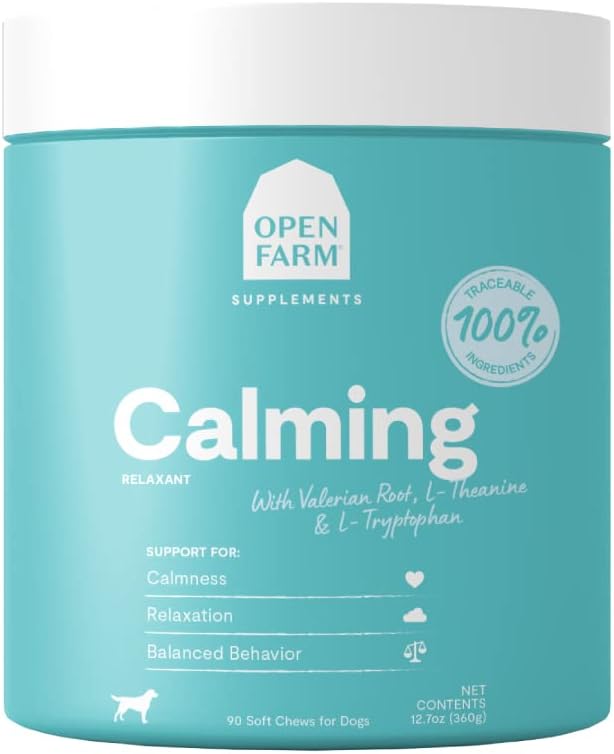
- Open Farm Calming Supplement Chews for Dogs: Made with natural ingredients like Chamomile, Passion Flower, and L-theanine, these chews offer gentle anxiety reduction without causing drowsiness. The brand is also known for its commitment to ethical sourcing.
- NaturVet Hemp Quiet Moments Soft Chews: This product combines Hemp, Ginger, and Melatonin to provide quick relief from anxiety and soothe upset stomachs, making them suitable for high-stress events.
- Vetdiet Calming Biscuits: Infused with Chamomile, Sweet Orange Essential Oil, and Ginger, these crunchy biscuits help manage mild stress while reducing stress-related nausea and tummy troubles.
- Under the Weather Soft Calming Chews for Dogs: Specifically designed for small dogs or those with sensitive stomachs, these chews provide natural stress relief through L-theanine and thiamine, along with tummy-soothing ginger
- eed for training and environmental management.
Calming Chew Ingredients & Benefits Comparison
Calming Chew Ingredients & Benefits Comparison with images
Product Name
Zesty Paws Calming Bites
Key Active Ingredients
Suntheanine, Melatonin, Chamomile, Valerian Root, Hemp Seed Powder, L-Tryptophan, Ginger Root, Ashwagandha, Magnesium Citrate, GABA
Primary Benefits
Reduces anxiety, promotes relaxation, calms hyperactivity, aids focus, soothes stomachReduces anxiety, promotes relaxation, calms hyperactivity, aids focus, soothes stomach
Best For
Dosage Guide (Example for a 50lb dog)
Dosage Guide (Example for a 50lb dog)
2 chews daily

Product Name
JustFoodForDogs Calming Soft Chews
Key Active Ingredients
Passionflower, Valerian Root, Ginger Root, Magnesium Glycinate, Melatonin
Primary Benefits
Eases anxiety, supports relaxation, calms upset stomach
Best For
Stressful events like vet visits, separation, changes in routine
Dosage Guide (Example for a 50lb dog)
2 chews daily

Product Name
Open Farm Calming Supplement Chews
Key Active Ingredients
Chamomile, Passion Flower, L-theanine
Primary Benefits
Gentle anxiety reduction, promotes calmness without drowsiness
Best For
Noise anxiety, separation anxiety, social anxiety
Dosage Guide (Example for a 50lb dog)
Consult product label
Product Name
NaturVet Hemp Quiet Moments Soft Chews
Key Active Ingredients
Hemp, Ginger, Melatonin
Primary Benefits
Quick anxiety relief, soothes upset stomachs, helps hyper dogs settle
Best For
Noise anxiety, nighttime anxiety, high-stress events
Dosage Guide (Example for a 50lb dog)
Consult product label

Product Name
Under the Weather Soft Calming Chews
Key Active Ingredients
L-theanine, Thiamine, Ginger
Primary Benefits
Natural stress relief, tummy soothing, mood regulation without drowsiness
Best For
Social anxiety, sensitive stomachs
Dosage Guide (Example for a 50lb dog)
Consult product label

Other Helpful Aids
A variety of other products can contribute to a dog’s comfort and calmness.
- Pheromone Products (e.g., Adaptil™): These synthetic pheromones mimic the natural calming pheromones released by mother dogs, helping to reduce anxiety. They are available as sprays or collars and can be lightly spritzed onto a towel or bedding in the dog’s space.
- Anti-Anxiety Wraps (e.g., Thundershirt): These wraps apply gentle, constant pressure, similar to a hug, which can have a calming effect by releasing endorphins.
- Special Toys & Comfort Items: Designating certain toys for specific situations (e.g., when left alone) helps to build positive associations. A favorite blanket or an item with your scent can also provide immense comfort and security.
- Natural Remedies (Beyond Chews):
- The Canine Herbalist Bible: This comprehensive guide by Rita Hogan offers insights into holistic care for dogs, including effective and personalized herbal remedies for various conditions, such as anxiety. It emphasizes understanding a dog’s unique needs and physiology to select appropriate herbs, detailing their energetics, dosages, and contraindications.
- Flower Essences (e.g., Bach Rescue Remedy): These aim to balance out-of-balance emotions with minimal side effects and can be safely combined with other remedies.
- Lavender Essential Oil: Known for its calming properties, lavender essential oil can be lightly applied to bedding or a crate to create a soothing environment. It should never be ingested by dogs.
- Peppermint: This herb can help soothe a dog’s stomach and reduce queasiness.
- Homeopathic Remedies: Options such as Nux Vomica, Tabacum, and Argentum nitricum may be considered for anxiety and stomach upset.
- Herbal Tinctures/Teas: Valerian, Chamomile, Oatstraw, Fennel, Dill, Skullcap, and Passionflower can be administered as tinctures or teas, offering various calming and digestive benefits.
A practical recommendation for preventing unexpected adverse reactions or ineffectiveness during a high-stress situation is to always perform a “trial run” with any new product or intervention. This means testing new supplements, wraps, or even new beds in a low-stakes, familiar environment well in advance. This allows owners to observe their dog’s reaction and make adjustments as needed, ensuring that the chosen solution is truly beneficial when it matters most.
Common Dog Behavior Symptoms & Solutions at a Glance
| Common Symptom | Possible Underlying Cause | Recommended Solution Category | Specific Action/Product Example |
| Excessive Drooling, Lip Licking, Yawning | Anxiety, Stress, Physical Discomfort | Environmental Adjustment, Calming Product, Veterinary Intervention | Create calm environment ; Ginger chews ; Consult Vet for underlying issues |
| Vomiting, Defecation (inappropriate) | Severe Anxiety, Stress, Physical Discomfort | Environmental Adjustment, Calming Product, Veterinary Intervention | Consult Vet for Cerenia® ; Calming chews |
| Reluctance to engage, Pacing, Restlessness | Fear/Anxiety, Lack of Conditioning, Overstimulation | Training & Desensitization, Environmental Adjustment, Calming Product | Gradual desensitization ; Crate training ; Zesty Paws Calming Bites |
| Whining, Barking, Howling | Anxiety, Overstimulation, Attention-seeking | Training & Desensitization, Environmental Adjustment, Calming Product | Positive reinforcement for calm behavior ; Soothing music ; Thundershirt |
| Shaking, Trembling | Fear/Anxiety | Training & Desensitization, Calming Product, Veterinary Intervention | Familiar blanket with scent spray [ |
| Destructive Chewing | Anxiety, Stress Relief, Boredom | Safety Gear, Calming Product, Enrichment | Durable chew toys ; Zesty Paws Calming Bites |
| Avoidance Behavior | Negative Association, Fear | Training & Desensitization | Positive association with new experiences (treats, fun activities) ; Happy visits |
Exporter vers Sheets
When to Call the Pros: Veterinary Consultation
While many strategies can be implemented at home, some situations warrant professional veterinary guidance. A veterinarian is a crucial partner in ensuring a dog’s well-being.
Situations Warranting Vet Intervention
Professional veterinary intervention is recommended in several key scenarios:
- Severe or Persistent Symptoms: If a dog’s anxiety or motion sickness symptoms are extreme, do not improve with home remedies or training, or significantly impact their quality of life, veterinary consultation is essential.
- Underlying Medical Conditions: A veterinarian can rule out any underlying health issues, such as ear infections or vestibular disease, that could be causing or exacerbating travel discomfort.
- Adverse Reactions to Supplements: If a dog experiences severe vomiting, tremors, incoordination, extreme lethargy, or agitation after taking any calming aid, immediate veterinary attention is necessary.
- Before Administering New Medications or Supplements: It is always critical to consult a veterinarian before giving a dog any new medication, whether human or canine, or any supplements. This ensures proper dosage, suitability for the individual dog, and checks for potential interactions with existing medications or contraindications based on health conditions.
Prescription Medication Options (Under Veterinary Guidance)
Veterinarians can prescribe medications to help manage severe anxiety or motion sickness, often used in conjunction with behavioral modification techniques. These medications are typically not long-term solutions but can significantly reduce distress for specific events, enabling effective training. The underlying principle is that when anxiety is reduced, the dog becomes more receptive to learning, and their behavior can change more reliably in the long term. This reframes the role of medication from merely “drugging” a dog to a therapeutic tool that allows behavioral modification and counter-conditioning to be effective.
Commonly used prescription medications for travel-related issues include:
- Cerenia® (Maropitant Citrate): This is an FDA-approved medication specifically for preventing motion sickness and vomiting in dogs. It is non-sedating and highly effective.
- Alprazolam (Xanax®): A fast-acting benzodiazepine used for phobias, fear, and situational anxiety, such as during road trips or thunderstorms. It works by enhancing the effects of GABA, a calming neurotransmitter. Potential side effects include sedation, grogginess, or, in rare cases, paradoxical excitation, where the dog becomes more agitated or aggressive. This critical, non-obvious risk underscores the absolute necessity of veterinary supervision for prescription anxiety medications and highlights why self-medication is dangerous.
- Trazodone: A serotonin antagonist and reuptake inhibitor (SARI) utilized for stress, anxiety, and fear associated with travel, vet visits, and noise phobias. It is generally considered safe and can be used daily or as-needed.
- Gabapentin: Traditionally used for seizures and neuropathic pain, it has also been found to reduce anxiety in pets and can be combined with other anxiolytics like Trazodone.
- Antihistamines (e.g., Diphenhydramine/Benadryl): These can help reduce nausea from motion sickness and often cause drowsiness, which may aid mild anxiety. While not FDA-approved for dogs, they are commonly used under veterinary guidance.
- SSRIs (e.g., Fluoxetine/Reconcile®, Sertraline/Zoloft®): These are daily antidepressants that can raise a dog’s threshold for distress, typically taking 1-2 months for their full effect. They are often prescribed for more generalized anxiety or chronic issues. It is important for owners to understand that while some medications are FDA-approved for dogs, many commonly prescribed anxiety medications are human medications used “off-label”. This reinforces the need for professional expertise, as off-label use requires a deep understanding of dosage adjustments, potential side effects, and drug interactions specific to canine physiology.
- Other options: Amitriptyline, Buspirone, Dexmedetomidine (Sileo®), Clonidine, and Propranolol may also be considered, depending on the individual case and the veterinarian’s assessment.
Importance of Trial Runs with Medications
The effects, dosage, and duration of medications can vary significantly between individual dogs. Therefore, it is paramount to always perform a “trial run” of any new medication at home, during a calm period, well before the actual trip. This allows owners to observe their dog’s reaction, such as the degree of sedation or any signs of paradoxical excitation, and to adjust the dose with their veterinarian if needed. Crucially, a new medication should never be introduced for the first time during a high-stress event, as the dog’s reaction will be unpredictable and potentially counterproductive.
Happy Trails Ahead!
Road trips with a dog do not have to be a source of stress. By understanding the common behavioral issues that can arise, preparing proactively with desensitization and positive conditioning, prioritizing safety with appropriate restraint gear, and utilizing a carefully selected toolkit of calming products and professional veterinary advice, dog owners can transform potential challenges into cherished memories. Every successful journey strengthens the unique bond shared with a canine companion, paving the way for many happy trails and shared adventures together.o holistic care for dogs, covering a wide range of common canine conditions, including anxiety and various behavioral issues. It focuses on personalized herbal remedies and understanding a dog’s unique needs and physiology.